info@flashpackerconnect.com

+1 206-892-8877

Tanzania

Tanzania Migration Safari — 6 Days | Central Serengeti

Six days following the Great Migration through the Central Serengeti, finishing at the Ngorongoro Crater

Private Guided

Tanzania Migration Safari — 6 Days | Central Serengeti

Six days following the Great Migration through the Central Serengeti, finishing at the Ngorongoro Crater

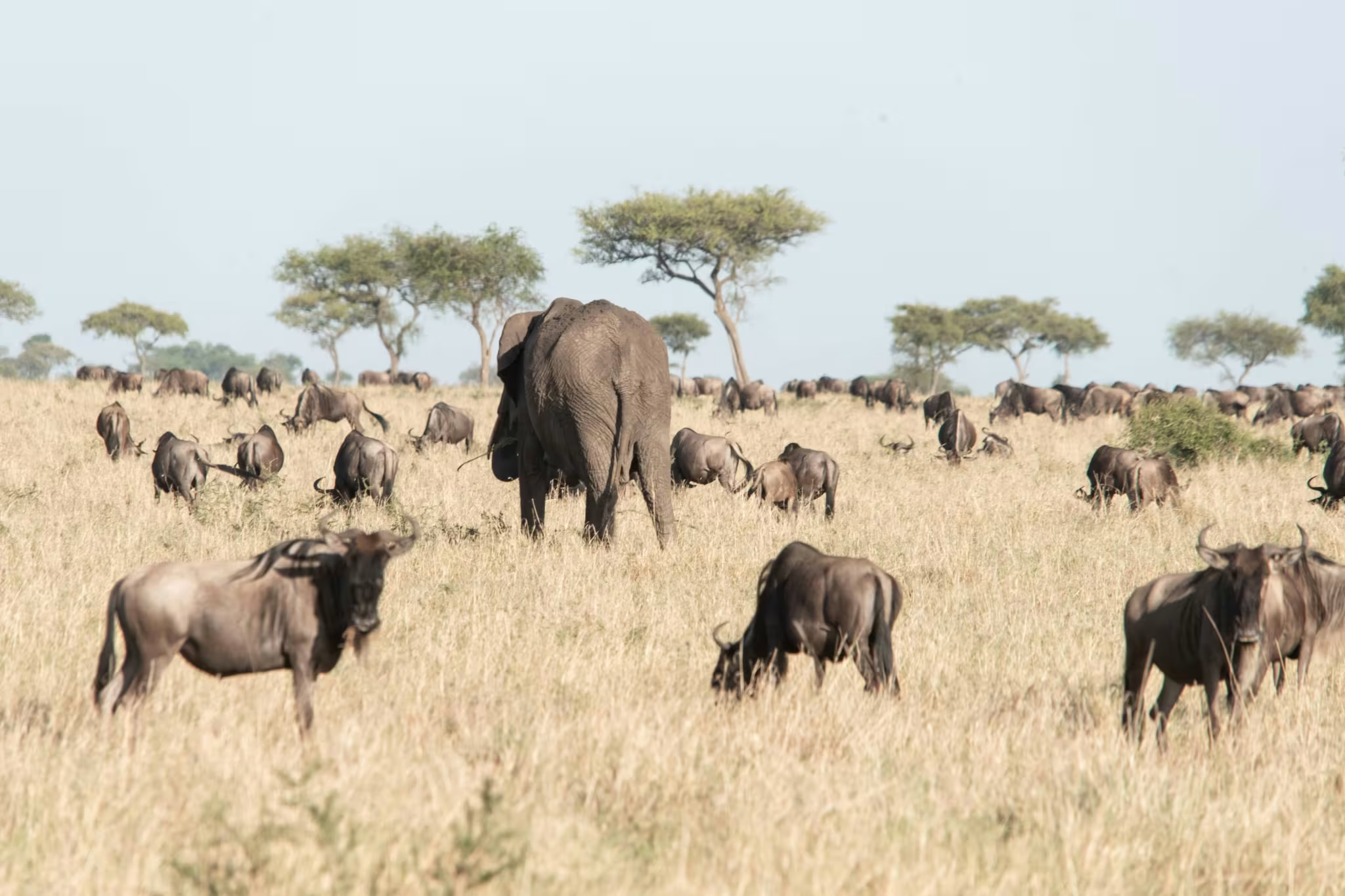
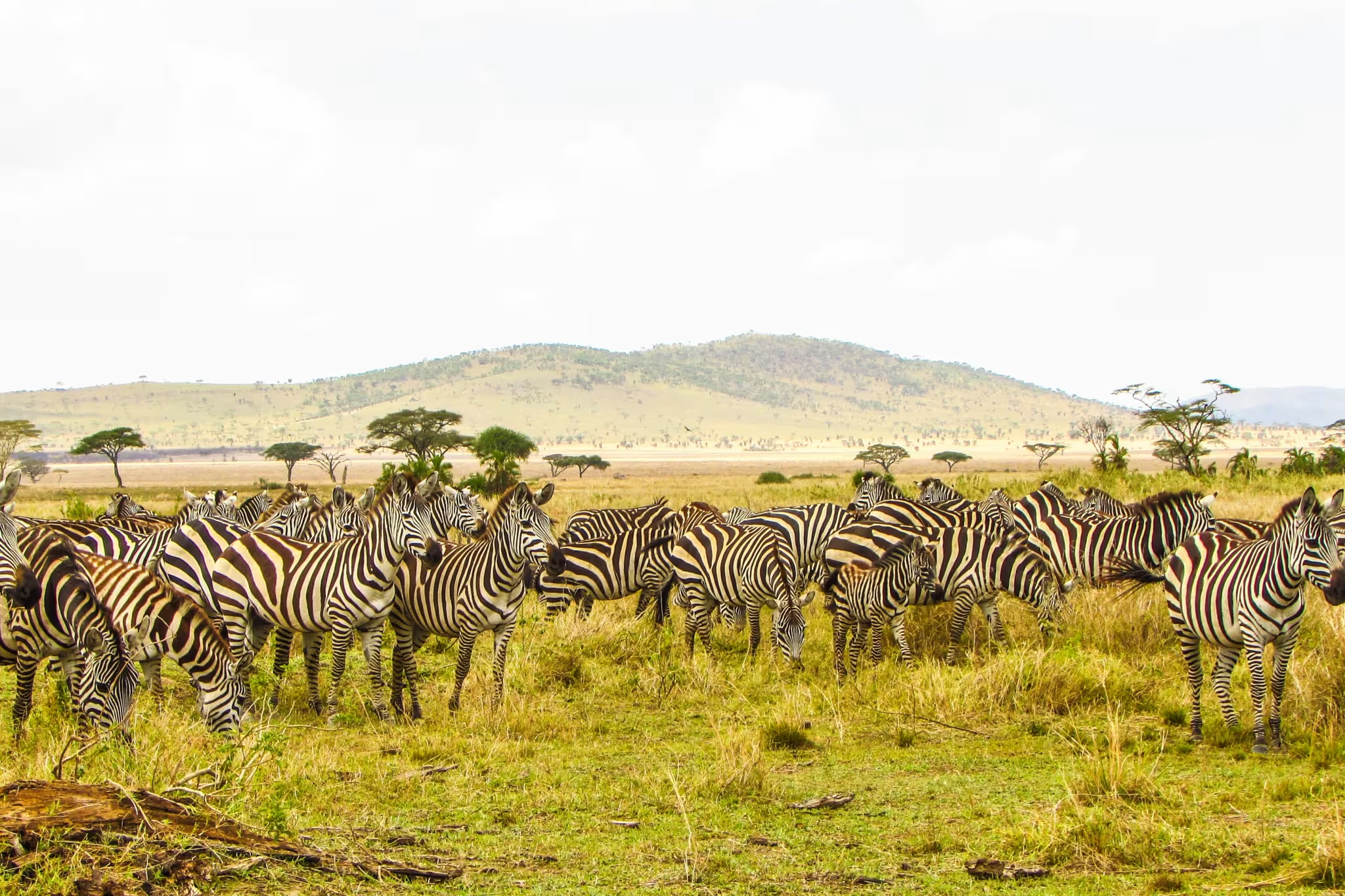
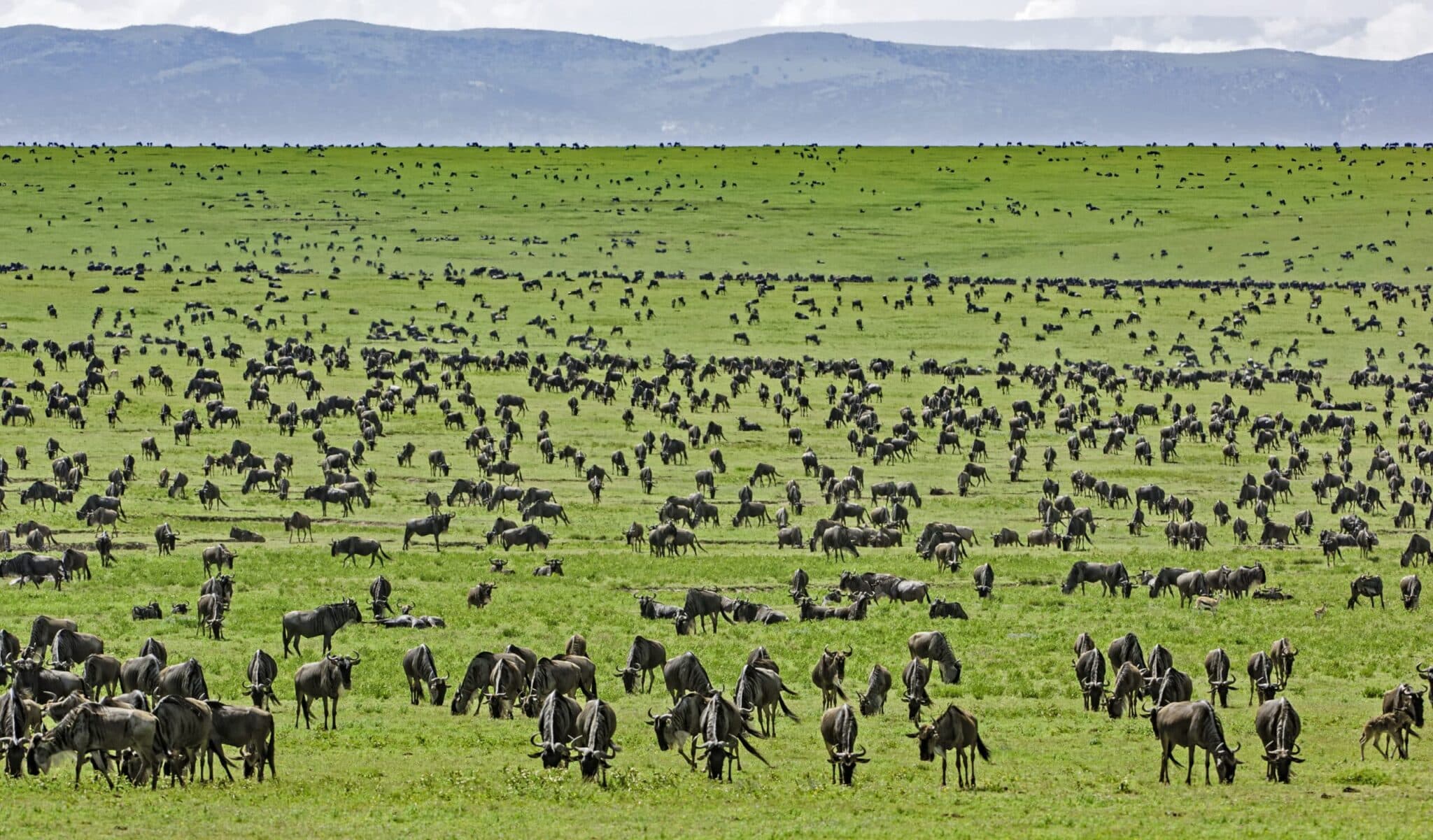
The Great Migration isn't a single event. It's a year-round, never-ending loop — 1.5 million wildebeest, 200,000 zebra, and roughly 500,000 gazelle moving clockwise around the Serengeti–Mara ecosystem in pursuit of fresh grass and water. They calve in February, fatten through the green season, push north for the dry months, cross the Mara River in July, and return south as the short rains begin. Every month of the year, they're somewhere on the loop — and the trick to seeing them is being in the right zone at the right time.

This trip targets the Central Serengeti in April, May, and November — the three months each year when the herds pass through the central corridor in numbers that have to be seen to be believed. You'll spend three full nights inside the park at a tented "glamping" camp in the heart of the action, with your driver-guide adjusting each day's game drive based on where the herds are moving and what's being seen.

Then on Day 5 you'll cross to the Ngorongoro Conservation Area and finish the trip with a final morning on the floor of the Ngorongoro Crater — a 19-kilometer-wide collapsed volcano that holds one of the densest concentrations of wildlife on Earth, including some of Africa's last protected populations of black rhino.

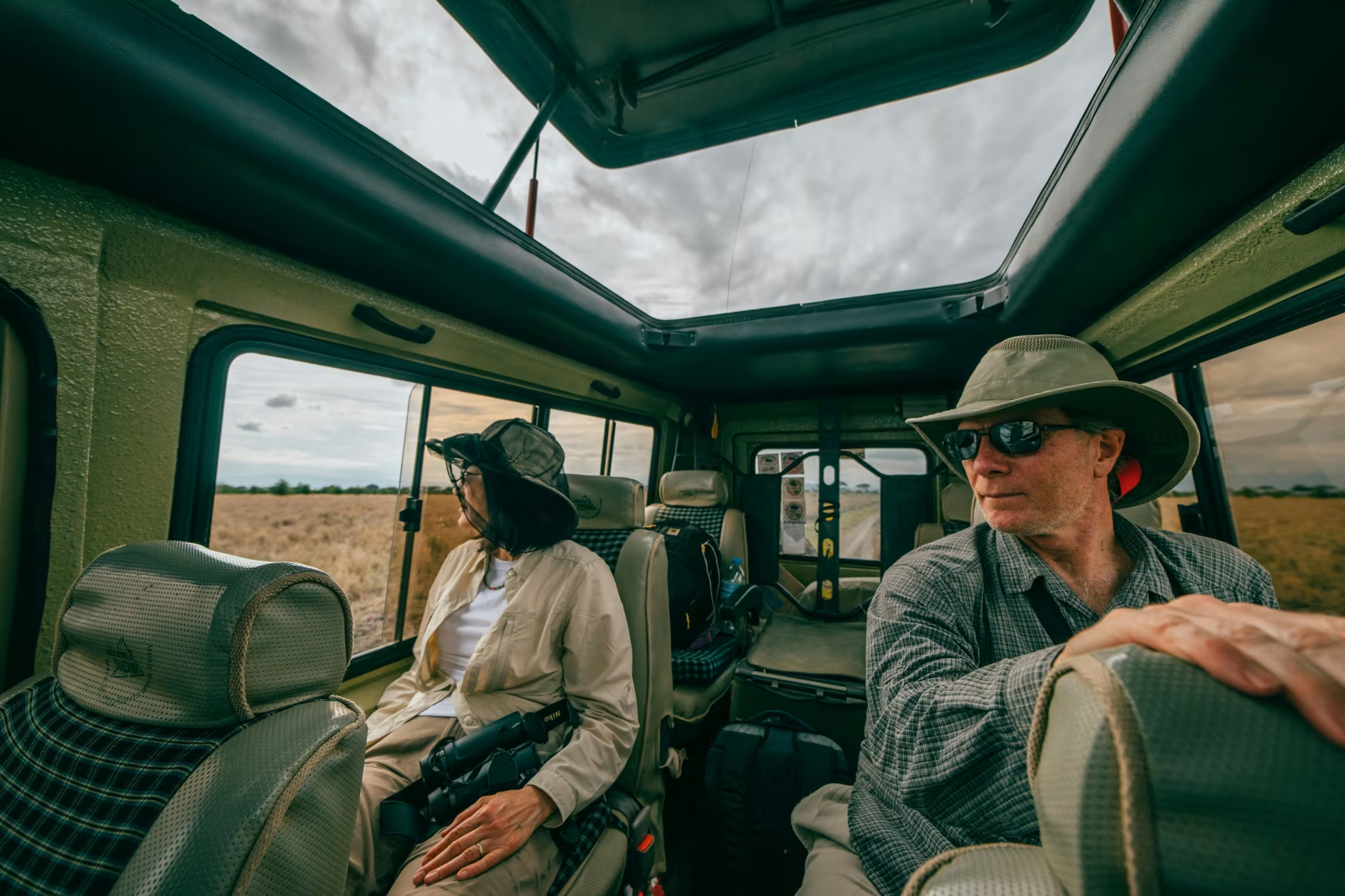
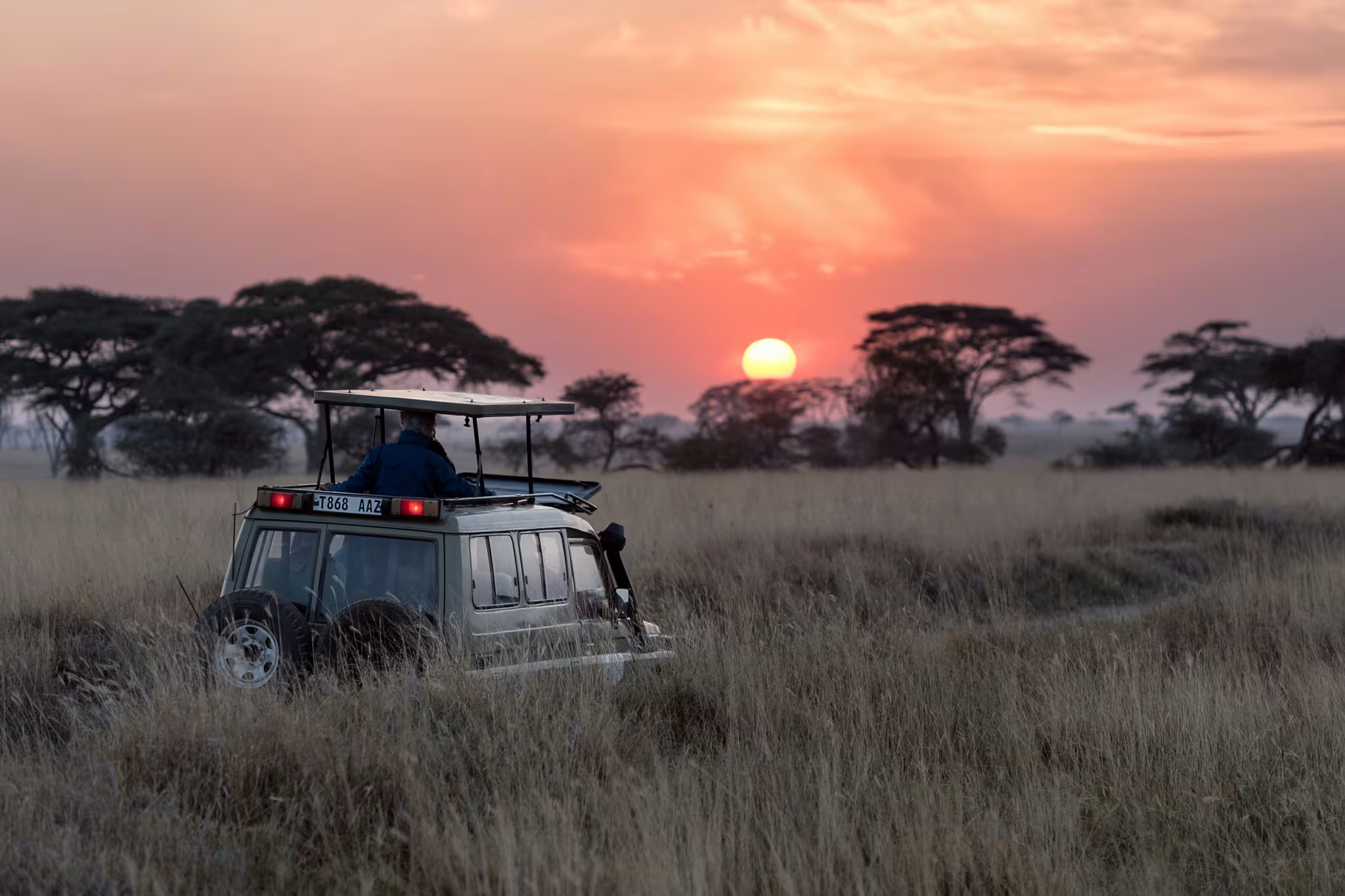
This is a private safari — your party, your vehicle, your guide, your pace. The Land Cruiser is custom-built for game drives (pop-up roof, fridge, Wi-Fi, charging ports, binoculars). The driver-guide is a seasoned English-speaking expert who knows where the herds are likely to be and how to position you for the best sightings. The camps are tented but properly comfortable — real beds, en-suite bathrooms, full-board meals, and a campfire under the Milky Way.

If you want to see the Great Migration without the crowds and queues of the July–September Mara crossing season, this is your trip.

TRIP DETAILS

  • Style: Comfort — tented camps and small lodges
  • Trip type: Private safari (your own vehicle and guide)
  • Group size: Min 1, max 6 (your party only)
  • Trip duration: 6 days / 5 nights (1 night Arusha + 4 nights on safari)
  • Start / Finish: Kilimanjaro International Airport (JRO), Tanzania
  • Departures: April, May, and November (the Central Serengeti migration months) — flexible start dates within those windows
  • Finish time: 5:30 pm on Day 6
  • Activity level: Easy — vehicle-based game drives
  • Migration zone: Central Serengeti (Seronera corridor)

TRIP HIGHLIGHTS

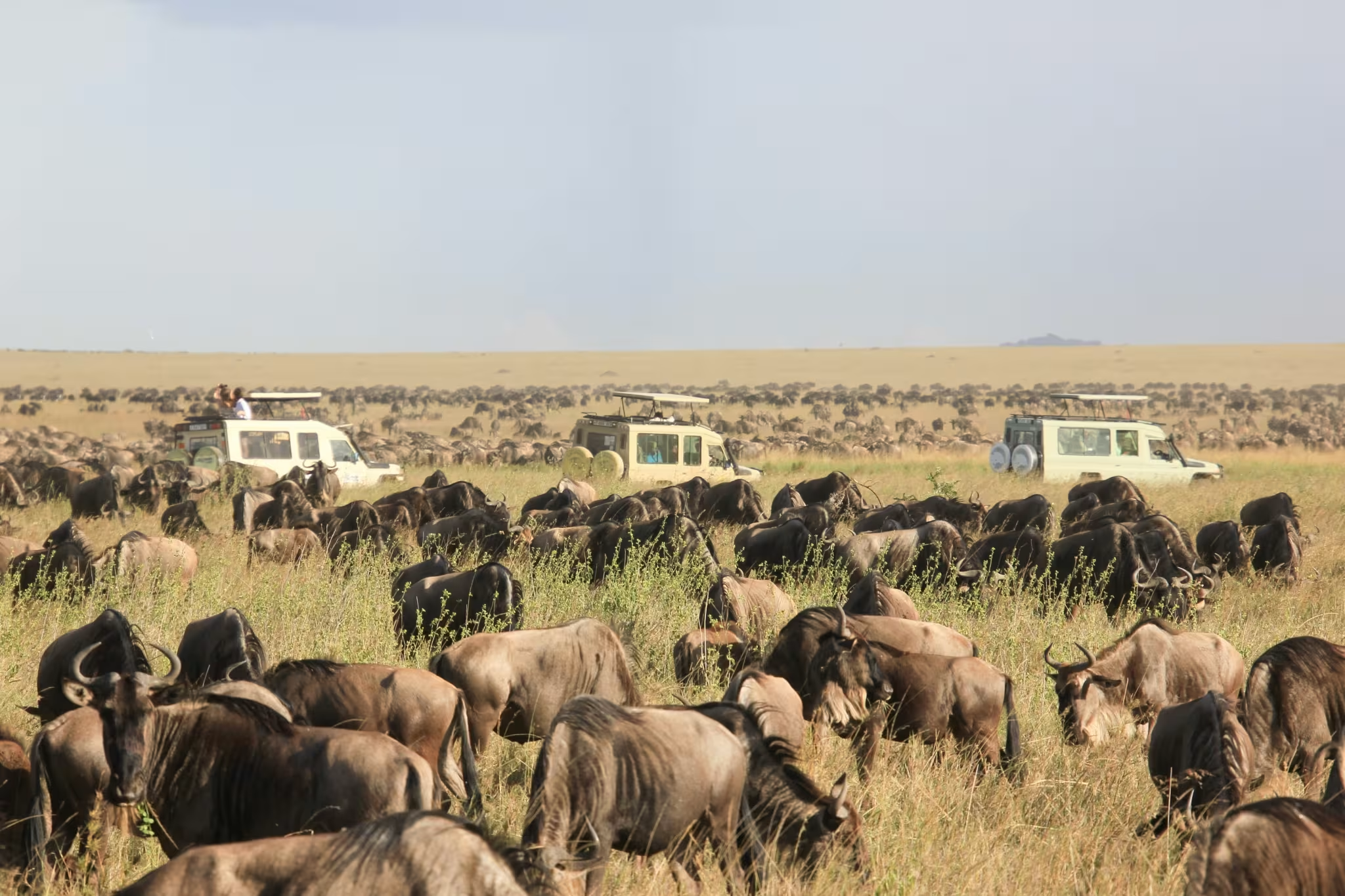
  • Three full days inside the Central Serengeti in peak migration-transit season — wildebeest in numbers so large the ground appears to move
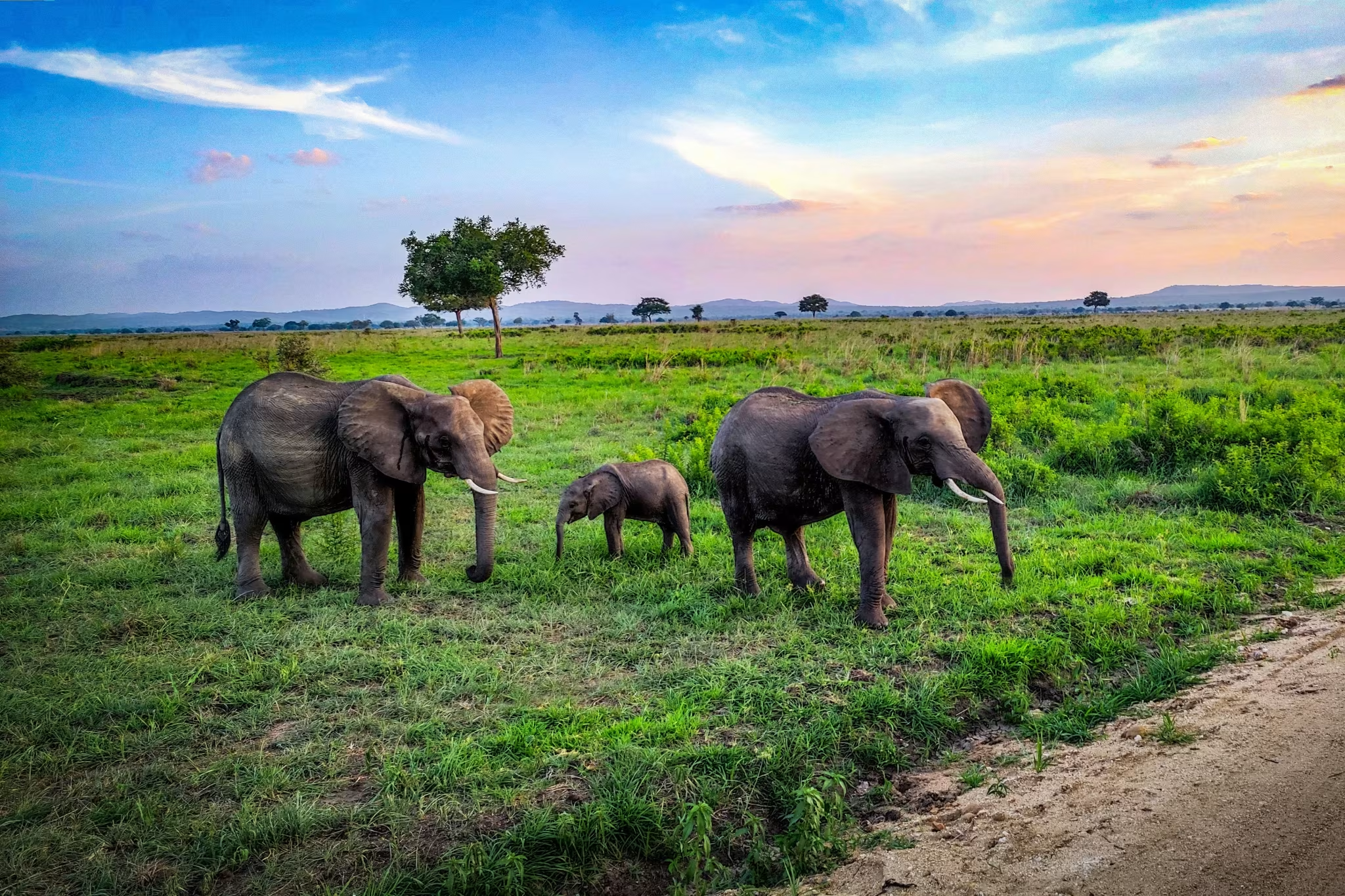
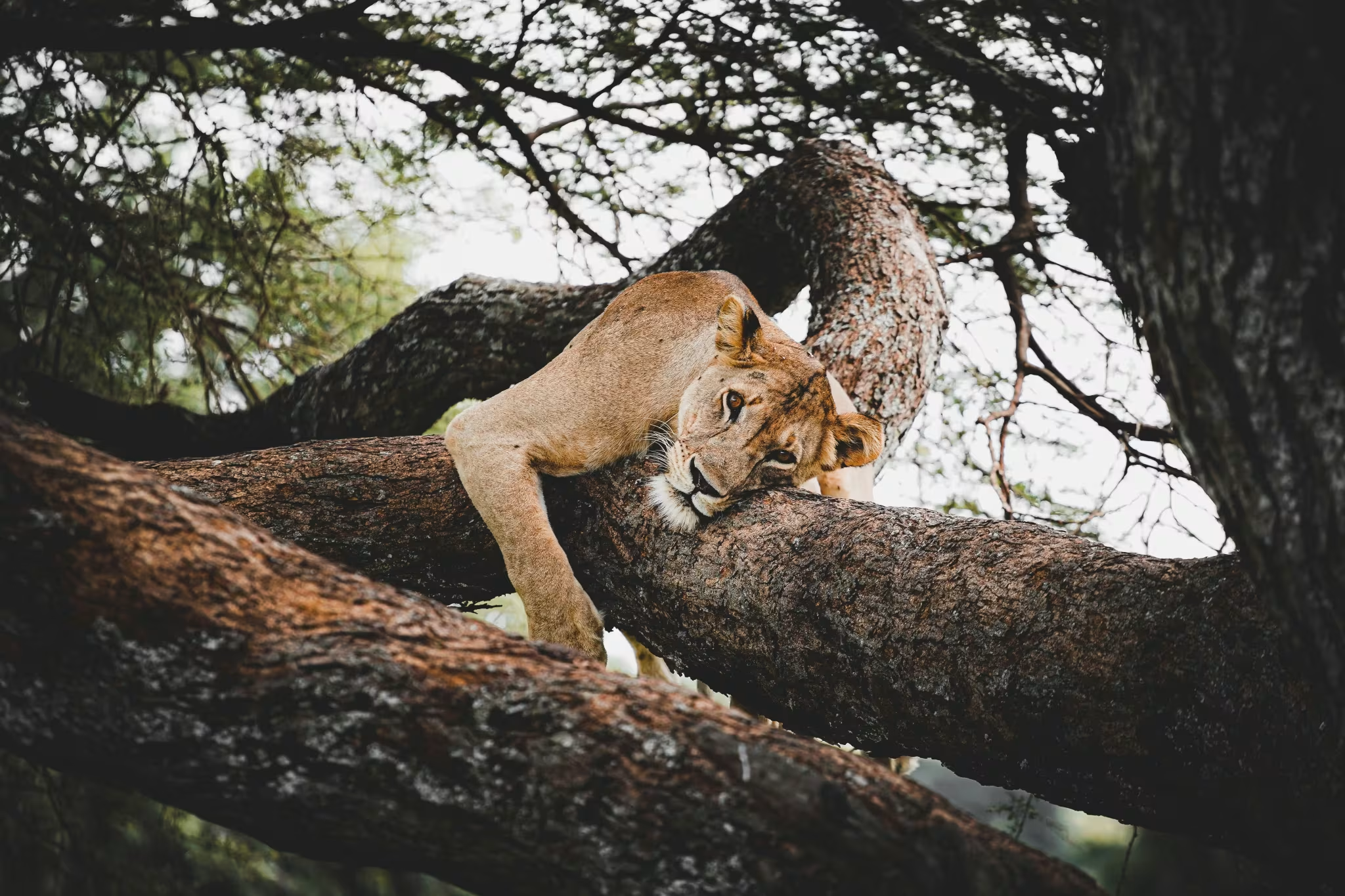
  • Game drives along the Seronera River, where year-round water draws lion prides, leopards in sausage trees, hippo pods, and constant elephant traffic
  • Drive past the famous kopjes — granite rock outcrops up to 600 million years old, including Simba Kopjes that inspired Pride Rock in The Lion King
  • Visit the Serengeti Visitor Centre for the conservation story — Bernhard Grzimek, the Frankfurt Zoological Society, and how the park was saved
  • Descend into the Ngorongoro Crater on Day 6 — a UNESCO World Heritage Site and one of the Seven Natural Wonders of Africa, with a self-contained ecosystem of ~25,000 large animals
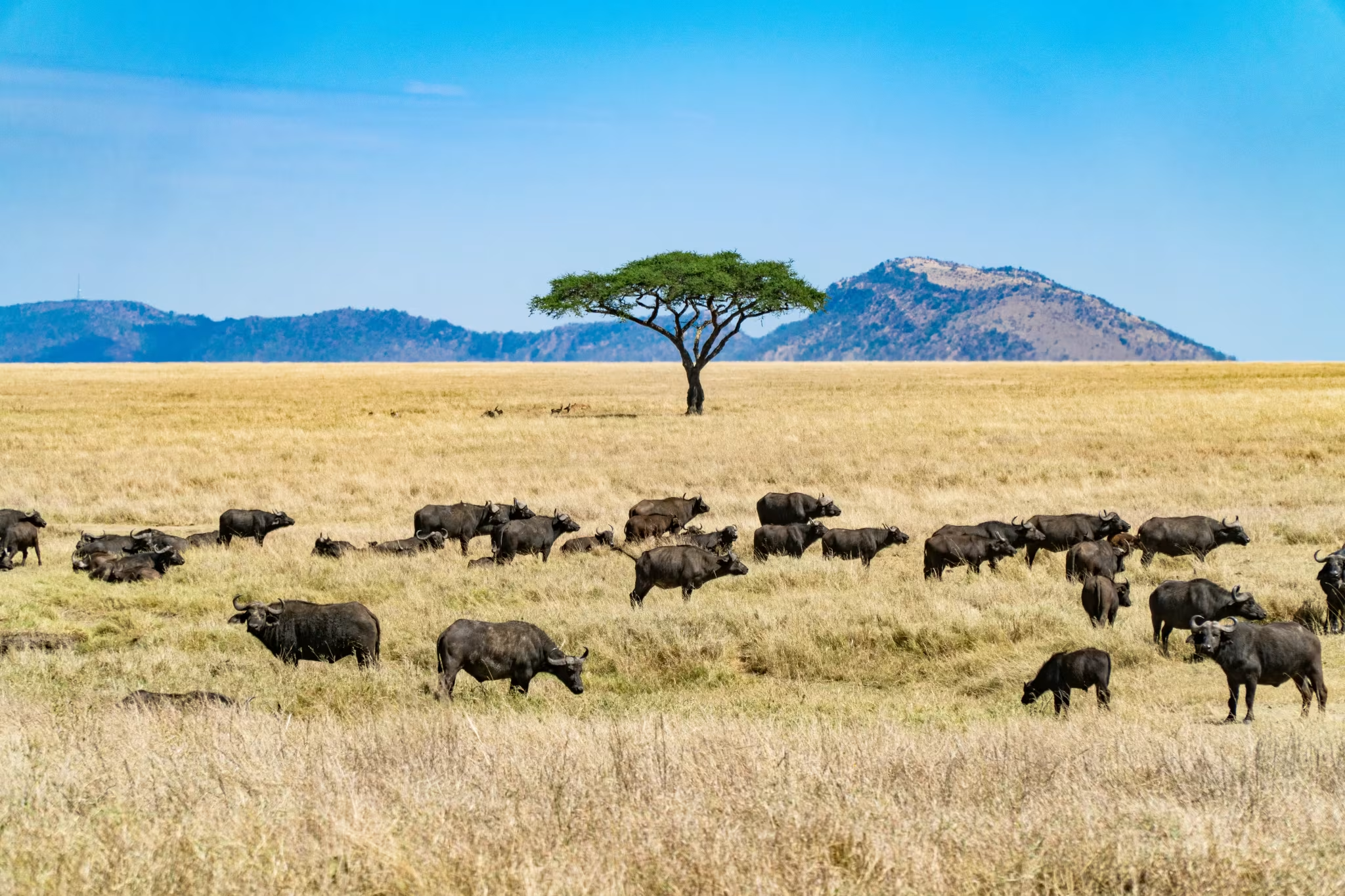
  • Realistic chance to see all of the Big Five in a single trip: lion, leopard, elephant, Cape buffalo, and the rare black rhino on the crater floor
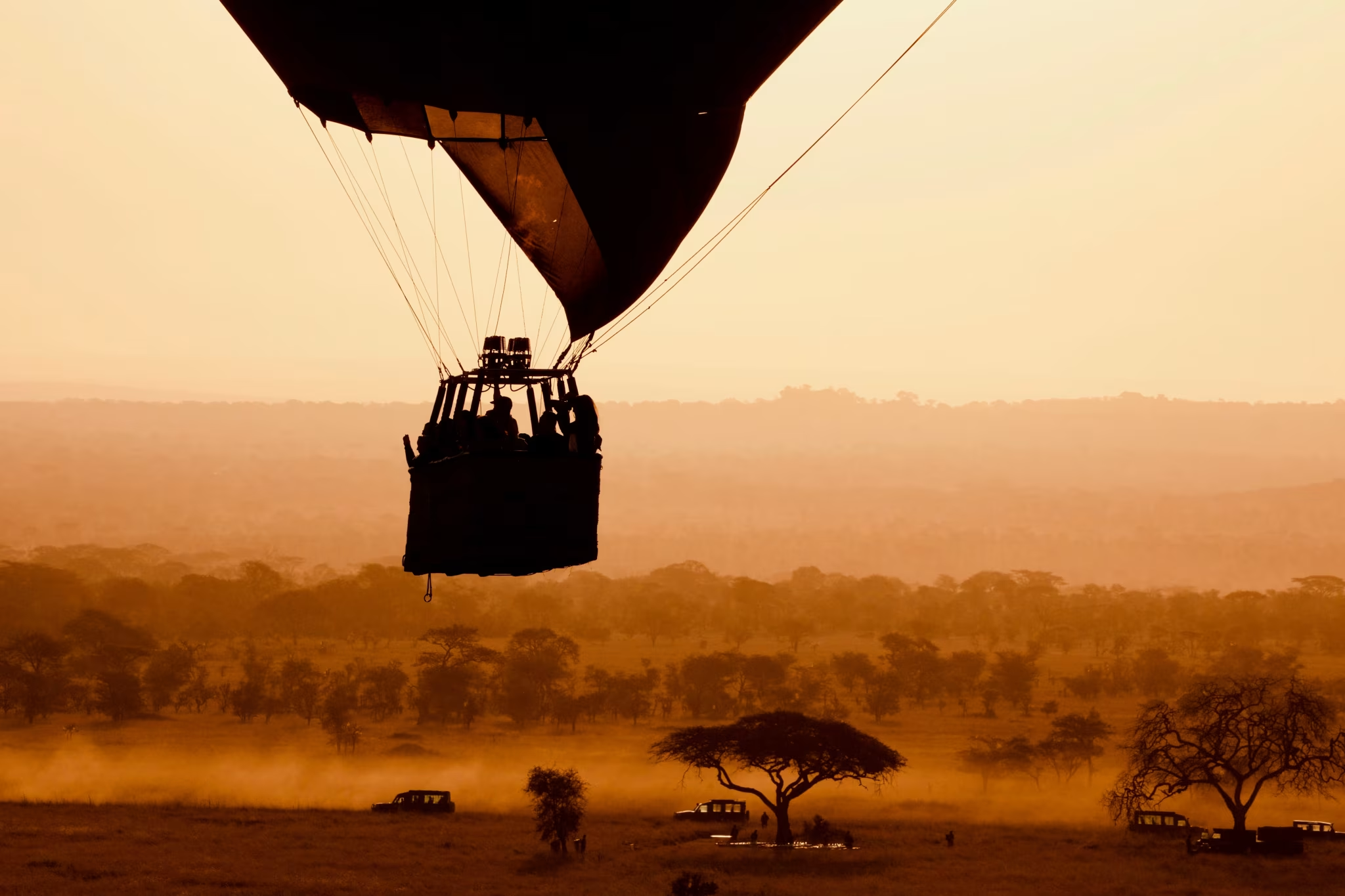
  • Optional hot-air balloon safari over the herds at sunrise — drift silently over the migration, then land for a bush breakfast and champagne
  • Private vehicle and private guide — your party only, your pace, your stops
  • All park fees, AMREF Flying Doctors emergency-evacuation cover, and airport transfers included
  • The "shoulder months" advantage — fewer vehicles per sighting than during the July–September Mara crossing peak

TRIP STYLE

Comfort tier, private safari — built around the migration.

Unlike a shared group safari, this is a fully private trip. The Land Cruiser is yours alone. The guide is yours alone. The pace is yours. Want to spend three hours at a leopard sighting? Done. Want to start at first light to catch the herds before they bed down? Done. Your guide will be in radio contact with other Easy Travel vehicles in the park, sharing intel on where the migration is each morning.

You'll stay at tented "glamping" camps inside the Serengeti and adjacent to the Ngorongoro Crater. These aren't roughing-it camps — hardwood-floored tents, proper beds, en-suite bathrooms with hot water, mosquito netting, and dinner served at communal tables under the stars. Wildlife sometimes wanders through camp; staff escort you to your tent after dark.

Who this trip is for: Couples, friends, families, and small private groups who want to see the wildebeest migration in transit through the Central Serengeti, with the freedom of a private vehicle, real comfort in the bush, and the Ngorongoro Crater as the closer. Especially good for travelers who want migration without the peak-season crowds of July–September.
No items found.
No items found.

Trip Itinerary

Day 1 — Arrive Kilimanjaro International Airport → Arusha

Karibu Tanzania. Your driver-guide meets you at Kilimanjaro International Airport (JRO) for the one-hour transfer to Arusha — the bustling, multicultural city that serves as the gateway to every northern-circuit safari. At 1,400 meters (4,500 ft) elevation, Arusha sits between Mount Meru and Mount Kilimanjaro, with cool evenings and big-mountain views on a clear day.

You'll check into your hotel, settle in, and meet your driver-guide for a pre-safari briefing — paperwork, packing tips, what to expect over the next five days, and the latest intel on where the migration herds are right now. Dinner is included tonight. Get a good night's sleep; tomorrow is a long drive and an unforgettable arrival.

  • Accommodation: Kibo Palace Hotel (or similar)
  • Meals: Dinner
  • Drive time / distance: ~1 hour / 55 km from JRO to Arusha

Today's highlights: Views of Mount Meru and (weather permitting) Mount Kilimanjaro; a soft-landing first night in Africa.

Day 2 — Arusha → Central Serengeti

This is the long day, and every kilometer earns its keep. After breakfast and (if not done last night) your pre-safari briefing, you'll head west — and keep going. Out of Arusha, through coffee country, past the lip of the Rift Valley, around the rim of the Ngorongoro Highlands, and finally down onto the Serengeti plains.

Watch the world get bigger and quieter as you go. Maasai herders moving their goats. Roadside markets stacked with mangoes. The silhouette of Mount Meru shrinking. Then, slowly, the human world fades. The horizon flattens. Grass stretches in every direction. Your driver-guide will already be scanning the plains — and if the herds are close, you may meet them on the road.

You'll have a packed lunch en route and reach the Central Serengeti in the afternoon, in time for your first game drive. This central corridor, anchored by the Seronera River and characterized by open plains, woodland fringes, and ancient kopjes, is where you'll spend the next three nights.

Tonight you'll arrive at your tented camp deep in the park. Dinner is served under the stars, and you'll fall asleep to lions calling and hyenas whooping in the distance.

  • Accommodation: Serengeti Tortilis Camp (or similar)
  • Meals: Breakfast, picnic lunch, dinner
  • Drive time / distance: ~6 hours / 335 km from Arusha
  • What you'll see: First afternoon game drive — possibly the migration columns on the move, plus lion, elephant, zebra, antelope, and the sheer scale of the plains

Day 3 — Full Day Game Drives in the Central Serengeti

Dawn departure. Your guide will choose the route based on where the migration was last seen and where it's likely to be moving. In April and May, the herds are usually pushing north toward the Western Corridor and Grumeti River. In November, they're heading south toward the calving grounds. Either way, you're in their path.

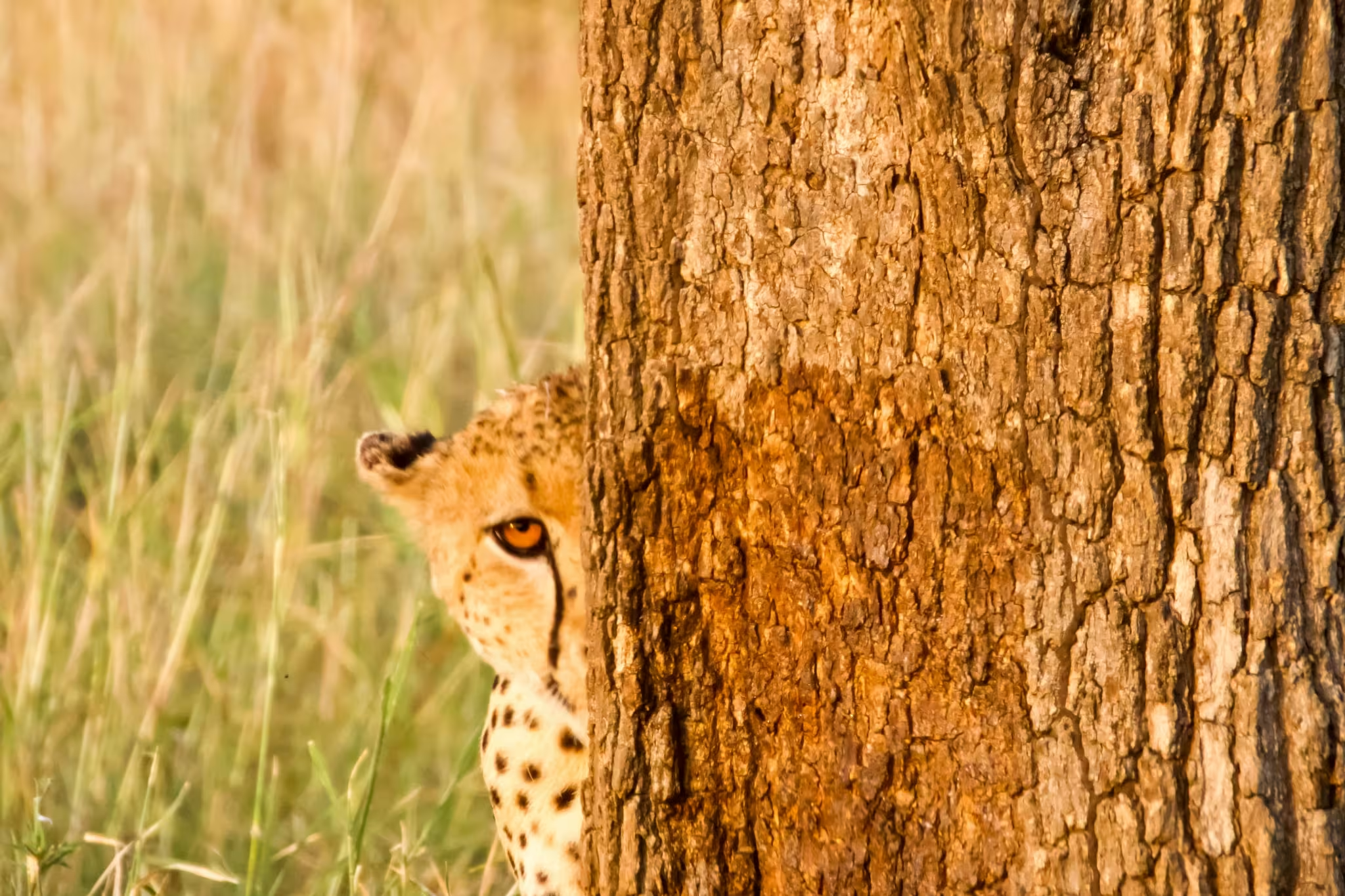
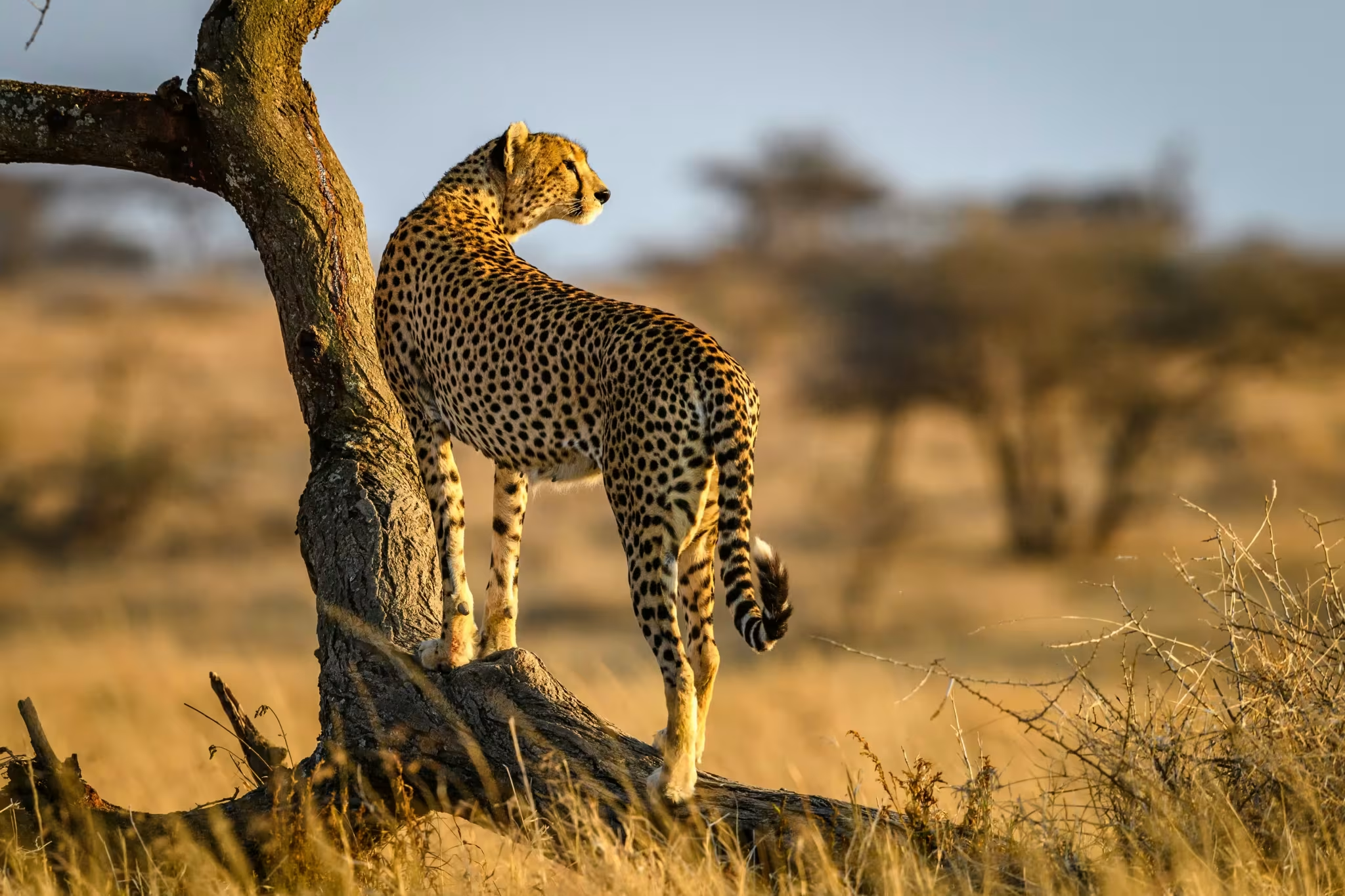
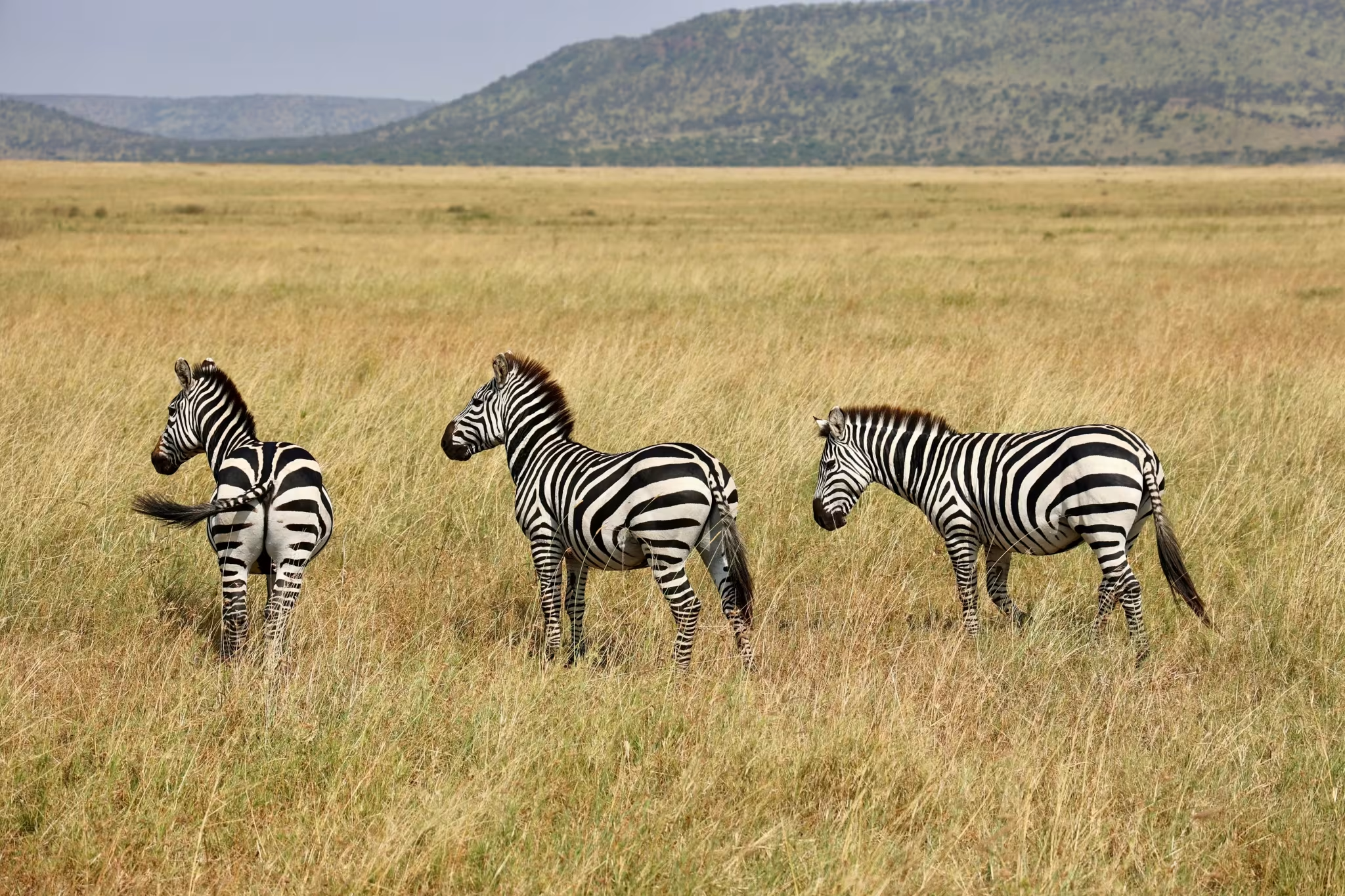
The plains here are alive. Wildebeest in columns. Zebra in mixed herds. Cheetah hunting on the edges. Lions ambushing at water sources. Vultures circling. Hyenas tracking from a distance. This is the food chain in its purest, most visible form.

After a picnic lunch in the bush (your driver finds a spot in the shade of a tree, often with a view), the afternoon game drive continues — different light, different cast of characters. By sunset you're back at camp for hot showers, sundowners by the fire, and dinner served outdoors.

  • Accommodation: Serengeti Tortilis Camp (second night)
  • Meals: Breakfast, picnic lunch, dinner
  • What you'll see: Wildebeest and zebra in migration numbers, plus lion (sometimes in prides of 15+), leopard, cheetah, hyena, elephant, giraffe, hippo, crocodile, and 500+ bird species

Day 4 — Central Serengeti, Seronera River & the Kopjes

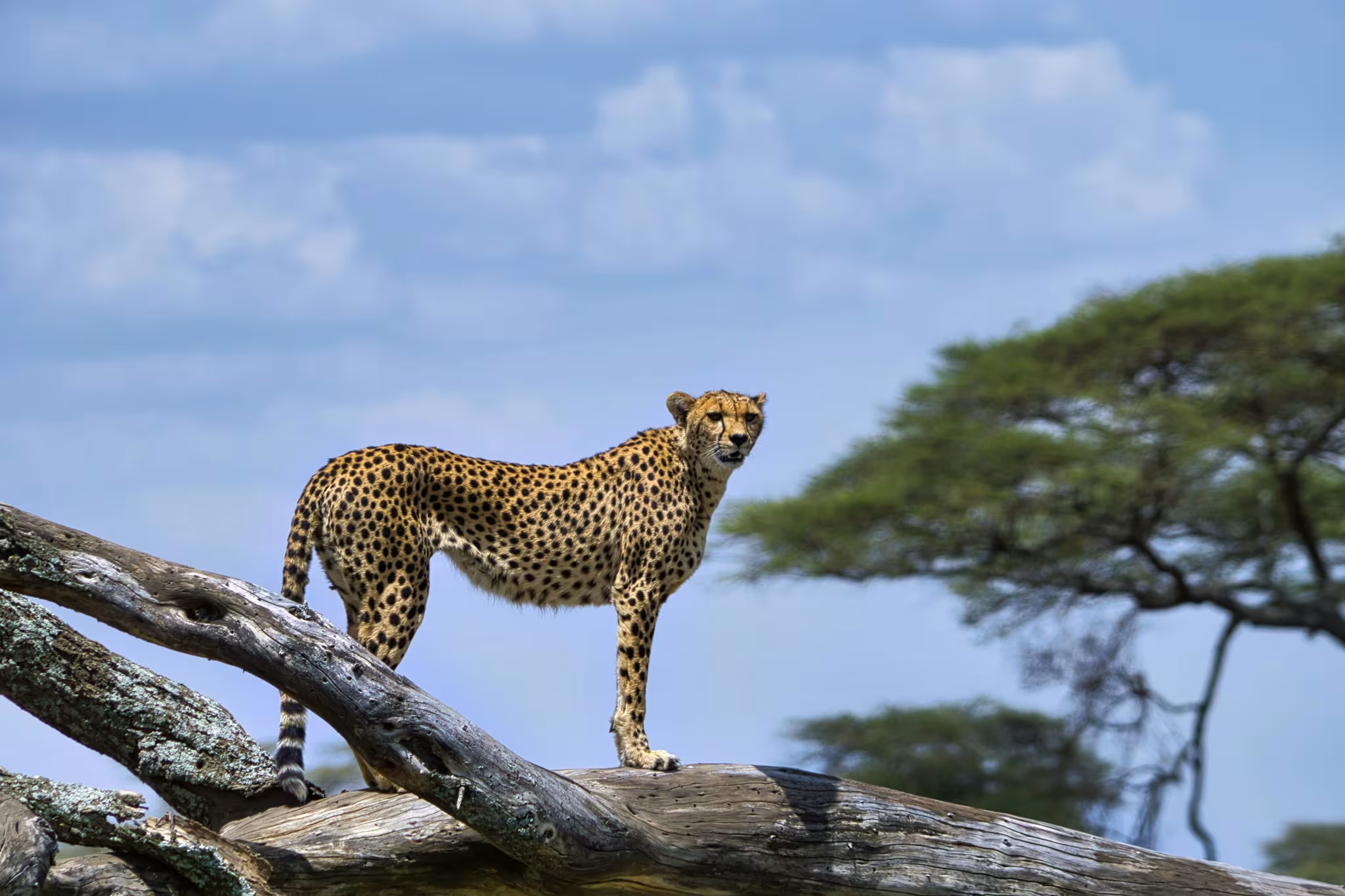
A second full day in the central corridor — and a chance to focus on what makes this zone unique. The Seronera River carries water year-round, drawing predators and prey to a single corridor. Lions doze on the banks. Leopards drape over sausage tree branches. Crocodiles wait in the shallows. The kopjes — the granite rock outcrops that rise out of the plains like islands — are favorite vantage points for lion prides and the resting place for cheetahs scanning the grasslands.

You'll also visit the Serengeti Visitor Centre, an excellent small museum that tells the story of how the park was saved — the work of Bernhard Grzimek and the Frankfurt Zoological Society in the 1950s and 60s, the ecology of the migration, and how the Serengeti ecosystem actually functions. Hyrax, mongoose, and small birds live around the buildings; it's part-museum, part-game-drive.

Picnic lunch in the bush. Afternoon game drive. Sundowners by the fire. Dinner under the stars.

Optional add-on — Hot-air balloon safari (additional cost): A 5:00 am pickup for a 6:00 am launch. You'll drift silently over the Serengeti — and the migration if you're lucky — for 60–90 minutes as the sun rises, then land for a bush breakfast and champagne before your driver picks you up for the full day's game drive. Pricey, but ask anyone who's done it — it's the experience they remember most.

  • Accommodation: Serengeti Tortilis Camp (third night)
  • Meals: Breakfast, picnic lunch, dinner
  • What you'll see: Migration herds, lion prides on the kopjes, leopards in trees, Kori bustards (the world's heaviest flying bird, up to 15 kg with a 3-meter wingspan), and the cycle of life along the Seronera River

Day 5 — Central Serengeti → Ngorongoro Conservation Area

One more Serengeti morning, then southeast toward the Ngorongoro highlands. Your guide will choose the morning route based on what's been seen overnight — often the best sightings of the trip happen on the last morning, when you've stopped trying.

After a picnic lunch in the park, you'll begin the drive east. The road takes you past Simba Kopjes — the rock formations Disney drew on for Pride Rock — and through Naabi Hill Gate, where you can stretch your legs and climb a short trail for one last sweeping view back across the Serengeti.

By late afternoon you'll arrive at your camp near the Ngorongoro Crater rim. The altitude here is 2,300 m (7,500 ft), so the air is cooler and the evenings call for a fleece. You're about 20 km / 40 minutes from the crater rim — perfect positioning for tomorrow's early start.

  • Accommodation: Ngorongoro Tortilis Camp (or similar)
  • Meals: Breakfast, picnic lunch, dinner
  • Drive time / distance: ~3.5 hours / 145 km from Serengeti
  • What you'll see: Morning Serengeti game drive, then the dramatic transition from open plains to highland forest

Day 6 — Ngorongoro Crater → Departure

Early start. You'll leave camp at 6:00 am to be on the crater rim at sunrise, then descend the steep access road to the floor of the Ngorongoro Crater. The crater walls rise 600 meters (2,000 ft) above a 260-square-kilometer floor, creating a self-contained ecosystem that supports one of the densest concentrations of wildlife on Earth.

Roughly 25,000 large animals live on the crater floor year-round. The numbers: about 120 lions in well-defined territories, 15,000 wildebeest, 9,000 zebra, 400 hyenas, and one of Africa's last protected populations of black rhino (around 50 individuals). You'll cruise the Lerai Forest for elephants — including the swampland sometimes called the "elephant graveyard," where old male tuskers come to chew soft grasses once their teeth fail. You'll check Lake Magadi for flamingos and scan the open grasslands for the rest.

After a picnic lunch on the crater floor (sometimes accompanied by watchful kites), you'll ascend back to the rim and begin the drive to Kilimanjaro International Airport, arriving by 5:30 pm in time for evening departures.

  • Meals: Breakfast, picnic lunch
  • Drive time / distance: ~5 hours / 250 km from Ngorongoro to JRO
  • What you'll see: Lion, elephant, buffalo, hippo, hyena, jackal, wildebeest, zebra, possibly black rhino, flamingos at Lake Magadi, and the surreal landscape of the crater itself

Important departure note: Your international flight must depart Kilimanjaro International Airport at 9:00 pm or later (domestic flights at 7:40 pm or later). Earlier flights will require a post-tour night in Arusha.

Additional Trip Details:

THE GREAT MIGRATION — WHAT YOU'RE ACTUALLY SEEING

This is the section that separates this trip from a generic safari. Knowing what the migration is — and what part of it you're seeing — makes the difference between a beautiful holiday and an unforgettable one.

What it is: The Great Migration is a year-round, never-ending circular movement of approximately 1.5 million blue wildebeest, 200,000 zebra, and 500,000 Thomson's gazelle around the Serengeti–Mara ecosystem (Tanzania + Kenya, roughly 30,000 km² combined). It follows the rains and the fresh grass.

The annual cycle, roughly:

  • December–March: Herds gather in the southern Serengeti (Ndutu area) for calving season. Around 8,000 wildebeest calves are born every day in peak February. Predators converge.
  • April–May: As the southern grasses dry, the herds move north into the Central Serengeti. This is where your trip catches them. Massive columns of animals on the move, often joined by zebra in mixed herds.
  • June–July: Herds reach the Western Corridor and the Grumeti River — the first dangerous crossing of the year, with massive Nile crocodiles waiting.
  • July–September: The famous Mara River crossings in the Northern Serengeti and Kenyan Maasai Mara. This is the dramatic peak — the season you've seen on every nature documentary.
  • October: Herds begin moving south again as the short rains start.
  • November: The southbound herds pass back through the Central Serengeti on their way to the calving grounds. Your trip catches them again on the return leg.

What this trip targets: The April–May northbound transit and the November southbound transit — when the migration is in the Central Serengeti, not when it's leaving Kenya. You won't see the Mara River crossings on this trip; for those, you need a Northern Serengeti itinerary in July–September.

Why this matters: A lot of generic "migration safaris" sell the dream of the Mara River crossings but actually drop you in Central Serengeti where you'll see resident wildlife rather than the migration. This trip is honest about which slice of the migration you're seeing — and it's a very good slice. The Central Serengeti in April/May/November has the herds in transit plus the year-round resident population (lion, leopard, cheetah, elephant), which means high-density wildlife in a less-crowded park than you'd find at Mara crossing peak.

ACCOMMODATIONS

You'll spend one night in Arusha and four nights in tented camps inside or adjacent to the parks.

  • Arusha (Night 1): Kibo Palace Hotel or similar — a comfortable boutique hotel in central Arusha with a pool, restaurant, and gardens.
  • Central Serengeti (Nights 2, 3, & 4): Serengeti Tortilis Camp or similar — a classic tented "glamping" camp in the heart of the park, where wildlife wanders freely between the tents.
  • Ngorongoro (Night 5): Ngorongoro Tortilis Camp or similar — set in highland forest about 20 km from the crater rim, adjacent to a Maasai community.

All tented camps offer en-suite bathrooms with hot showers, full-board meals, and warm Tanzanian hospitality. Wi-Fi may be limited or unavailable in remote camps — embrace the disconnect.

OPTIONAL ADD-ONS

  • Hot-air balloon safari over the Serengeti — 60–90-minute sunrise flight over the migration herds, followed by a bush breakfast and champagne. Best booked at the time of reservation; spaces are limited. Contact us for current pricing.
  • Zanzibar beach extension — Add 3–7 nights on the Indian Ocean to finish the trip with white-sand beaches, snorkeling, and Stone Town. Ask us for a custom quote.
  • Extend with Tarangire or Lake Manyara — Add 1–2 days to take in Tanzania's other northern-circuit parks. Easy to bolt onto the front or back of this trip.
  • Mara River crossings extension (July–September only) — If you want to also see the Mara River crossings, we can pair this trip with a Northern Serengeti extension. Different season, different itinerary — ask us.

WHAT TO BRING

  • Lightweight, neutral-colored clothing (khaki, olive, beige — avoid bright white and dark blue, which attracts tsetse flies)
  • Long sleeves and long pants for early-morning and evening game drives
  • Warm fleece or light jacket for cool mornings on the Ngorongoro rim (2,300 m elevation)
  • Wide-brimmed sun hat, sunglasses, high-SPF sunscreen
  • Insect repellent (DEET-based)
  • Binoculars (one pair per couple is provided, but bring your own if you want your own)
  • Camera with extra batteries, memory cards, and a zoom lens (300mm+ recommended for wildlife)
  • Headlamp or small flashlight for camp at night
  • Refillable water bottle
  • Personal toiletries and any prescription medication
  • A small daypack for game drives
  • Anti-malarial medication (consult your doctor before traveling)
  • Yellow fever vaccination certificate (if arriving from a country with risk of yellow fever transmission)
  • Rain shell if traveling April–May (long rains)

BEST TIME TO GO ON THIS SPECIFIC SAFARI

This trip runs in April, May, and November — the months the Great Migration herds pass through the Central Serengeti corridor. Each window has its own flavor:

April (long rains, northbound transit): Lush green landscapes, dramatic skies, wildflowers in bloom. The herds are pushing north from the southern calving grounds. Fewer tourists, lower prices, big dramatic photography conditions. Some afternoon downpours but rarely all day.

May (late long rains, peak northbound transit): Similar to April — green and beautiful, with the herds well into the Central Serengeti. The plains are full. Bird life is at its peak with migratory species in residence. This is often the best month if you want migration without the crowds.

November (short rains, southbound transit): The herds are returning south from the Mara, often in compact, fast-moving columns. The landscape is greening up after the dry season. Predator action can be intense as the herds move through. Fewer visitors than peak July–September.

If you want the famous Mara River crossings, you'll need a different trip in a different season — those happen July through September in the Northern Serengeti. Ask us about our Northern Serengeti migration crossings itinerary if that's the experience you're after.

WILDLIFE YOU MAY SEE

The Great Migration herds: Wildebeest (1.5 million in the ecosystem), zebra (200,000), Thomson's and Grant's gazelle (500,000). In migration season the columns can stretch for miles.

The Big Five: Lion, leopard, African elephant, Cape buffalo, black rhinoceros (Ngorongoro is your best chance).

Other predators: Cheetah, hyena, jackal, serval, caracal (rare).

Other large mammals: Hippo, giraffe, wildebeest, eland, warthog, blue monkey, baboon, vervet monkey, waterbuck.

Birds: Over 500 species across the two parks. Migration-related highlights include the Kori bustard (the world's heaviest flying bird, up to 15 kg with a 3-meter wingspan), secretary bird, ostrich, lilac-breasted roller, fish eagle, and huge flocks of greater and lesser flamingos in Lake Magadi.

Smaller and stranger: Agama lizards (color-changing males), rock hyrax (closest living relative: the elephant), mongoose, honey badger.

Crater statistics: Approximately 120 lions, 15,000 wildebeest, 9,000 zebra, 400 hyenas, and 50 black rhino in a 260 km² caldera — one of the densest predator-to-prey ratios anywhere on Earth.

PARKS COVERED

  • Serengeti National Park — 14,750 km², UNESCO World Heritage Site; the Central Serengeti corridor (Seronera area) is the focus of this trip.
  • Ngorongoro Conservation Area — 8,300 km² including the 260 km² Ngorongoro Crater; one of the Seven Natural Wonders of Africa.

Additional Trip Info

What is the Great Migration?

The Great Migration is the largest mammal migration on Earth — approximately 1.5 million blue wildebeest, 200,000 zebra, and 500,000 gazelle moving in a continuous clockwise loop around the Serengeti-Mara ecosystem in Tanzania and Kenya, following the rains and fresh grass. It happens every year and never stops; the herds are always somewhere on the loop.

When does the Tanzania Migration Safari depart?

This trip runs in April, May, and November — the three months when the migration herds pass through the Central Serengeti corridor. Within those windows, departures are flexible because this is a private safari.

Will I see the famous Mara River crossings on this trip?

No. The Mara River crossings happen in the Northern Serengeti and Kenyan Maasai Mara from approximately July to September. This trip targets the Central Serengeti during the migration's northbound transit (April–May) and southbound return (November). If you want to see river crossings, contact us about our Northern Serengeti migration crossings itinerary in July–September.

What will I actually see on this safari?

You'll see the migration herds in transit through the Central Serengeti — massive columns of wildebeest and zebra moving across the plains. You'll also see the resident wildlife that lives in the central corridor year-round, including lion, leopard, cheetah, elephant, hippo, and a wide range of birds. Plus the Big Five on the floor of the Ngorongoro Crater on the final day.

How is this different from the Tanzania Classic or Serengeti & Ngorongoro safaris?

The Tanzania Classic covers four parks in seven days (breadth). The year-round Serengeti & Ngorongoro 6-day covers the same two parks as this trip but isn't timed to the migration. This trip is specifically scheduled in April, May, and November — the months the migration moves through the Central Serengeti.

Is this a private safari or a group tour?

Fully private — your party has its own vehicle and guide, maximum six travelers per vehicle. The itinerary can flex around your interests and what the herds are doing.

How much does the Tanzania Migration Safari cost?

From $2,995 USD per person, based on a party of four traveling in April. Final pricing depends on group size, month, and any optional add-ons. Contact us for a personalized quote.

Is April/May/November a good time weather-wise?

April and May are the long-rains season in Tanzania, so you should expect some afternoon downpours — but rarely all-day rain, and the green landscapes that result are spectacular. November is the short-rains season, with brief afternoon showers and rapidly greening plains. Pack a light rain shell either way.

How many hours of driving per day?

Day 2 (Arusha to Serengeti) and Day 6 (Ngorongoro to airport) are long road days — about 5–6 hours of driving each. The middle days (3 and 4) are full game-drive days inside the Serengeti with no transit. Day 5 is a half-game-drive, half-transit day. We're upfront about this; some travelers prefer to add an internal flight to skip Day 2's drive — ask if you want to discuss.

Can I add the Mara River crossings to this trip?

We don't typically combine the two in a single trip because they happen in different seasons (April/May/November vs July–September). If you want to see both the central-corridor migration AND the Mara crossings, you'd need to plan two separate trips. We can help with that.

Can I add Tarangire, Lake Manyara, or Zanzibar?

Yes. This safari can be extended with 1–2 nights in Tarangire or Lake Manyara on either end, or with 3–7 nights on Zanzibar's beaches after the safari. Tell us what you want.

Will I need a visa for Tanzania?

Most travelers do. U.S., U.K., Canadian, and Australian citizens can obtain a tourist visa online through Tanzania's e-visa portal in advance (recommended) or on arrival at Kilimanjaro International Airport. The fee is approximately $100 USD.

What vaccinations do I need?

A yellow fever vaccination certificate is required if arriving from or transiting through a yellow-fever-risk country. We recommend being up to date on routine vaccinations and consulting your doctor about anti-malarial medication. Hepatitis A and typhoid are commonly recommended.

Will I have internet and phone signal?

Most lodges and tented camps offer Wi-Fi, though it can be slow or unreliable. Your safari vehicle is equipped with onboard Wi-Fi during game drives. Cell coverage is patchy in the parks.

Is travel insurance required?

Yes. Travel insurance with emergency medical and evacuation coverage is mandatory for all travelers. We recommend InsureMyTrip or Global Rescue.

Can I bring a drone?

No. Drones are prohibited in Tanzania without special permits and will be confiscated at the airport.

How much should I tip my guide and camp staff?

Tipping is customary and appreciated. Suggested guidelines: $25 USD per day for your driver-guide (per couple); $5–7 USD per day per traveler for lodge and camp staff (placed in the tip box at each property).

Have Questions?

Interested in building a custom trip? We want to help you travel to places you have dreamt about.

Build a Custom Trip