.jpg)
Your First Everest Trek: What to Know Before You Go
The Everest region has a way of drawing travelers in long before they arrive. It begins with photographs and stories, then grows into a pull that is difficult to explain and easy to recognize.
What surprises many first-time trekkers is not simply the scale of the mountains. It is how human the journey feels. Trails pass through working Sherpa villages, prayer flags flutter above suspension bridges, and warm lodges welcome you at the end of each day.
If you are planning your first Everest trek with Mountain Lodges of Nepal, here is what you should know before you go.
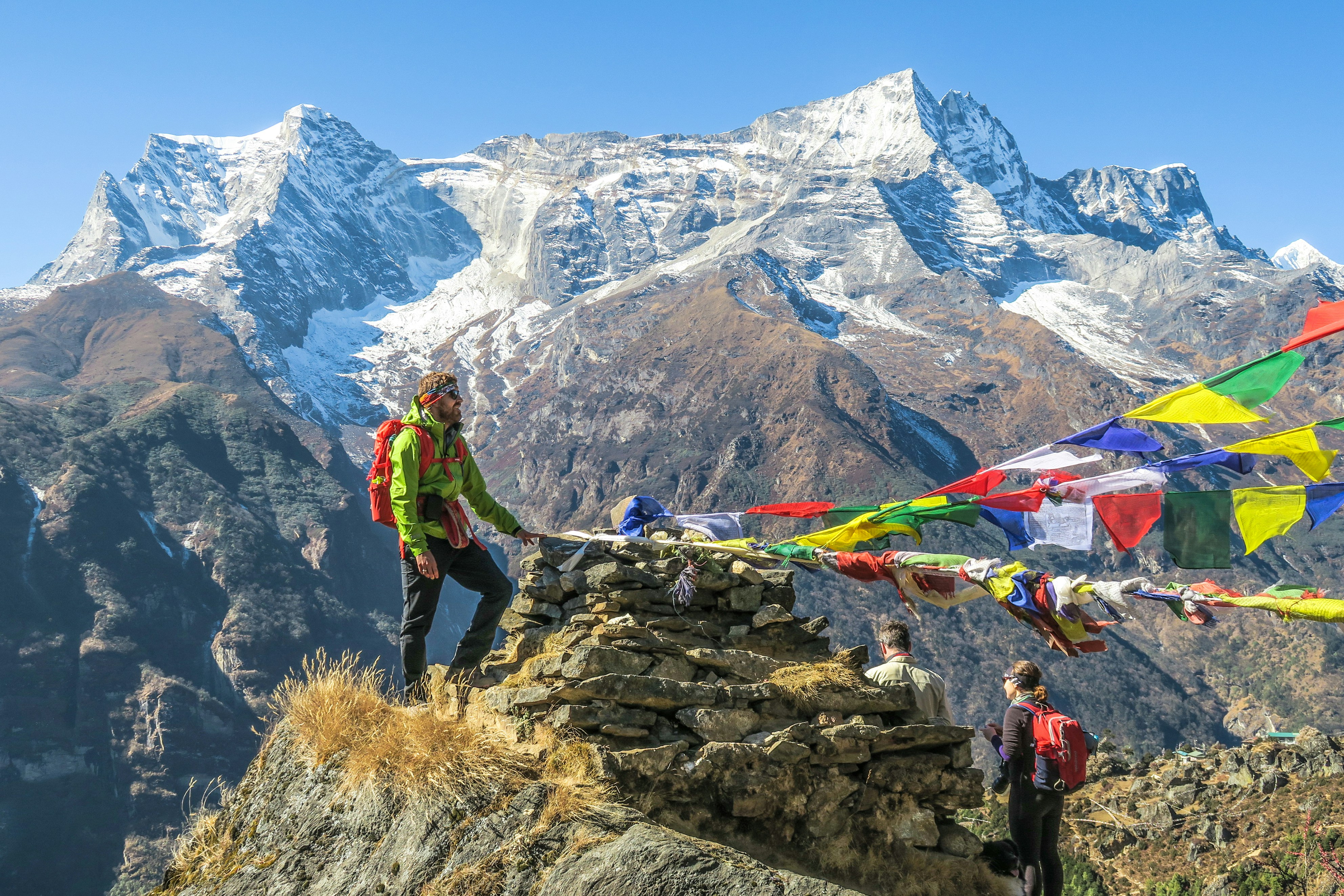
What Is the Walking Like in the Everest Region?
Expect a mix of stone paths, suspension bridges, river valleys and steady climbs. The trail frequently descends before it rises again, so the elevation profile can feel more demanding than the daily distance suggests.
Most trekking days involve approximately three to six hours of walking. The pace is intentionally measured, with time to rest, take photographs and absorb the landscape. You are not racing toward a finish line; moving slowly is part of trekking well at altitude.
Underfoot conditions vary. Some sections are smooth and well established, while others are rocky, uneven or crossed by steps. Trekking poles can help with balance and reduce strain on long descents.
How Difficult Is an Everest Trek?
There is no single difficulty rating for trekking in the Everest region. Mountain Lodges of Nepal offers journeys of different lengths and challenge levels, from shorter, more accessible itineraries to demanding routes that travel higher and farther.
Fitness matters, but pace, recovery and acclimatization matter just as much. You should arrive comfortable walking for several consecutive days, including sustained climbs and descents. Training on hills, stairs or an inclined treadmill while carrying a light daypack is more useful than relying on flat-distance workouts alone.
Well-designed itineraries include acclimatization days. These are not wasted rest days. They allow your body to adjust while giving you more time to explore the villages, monasteries and viewpoints along the route.
.jpg)
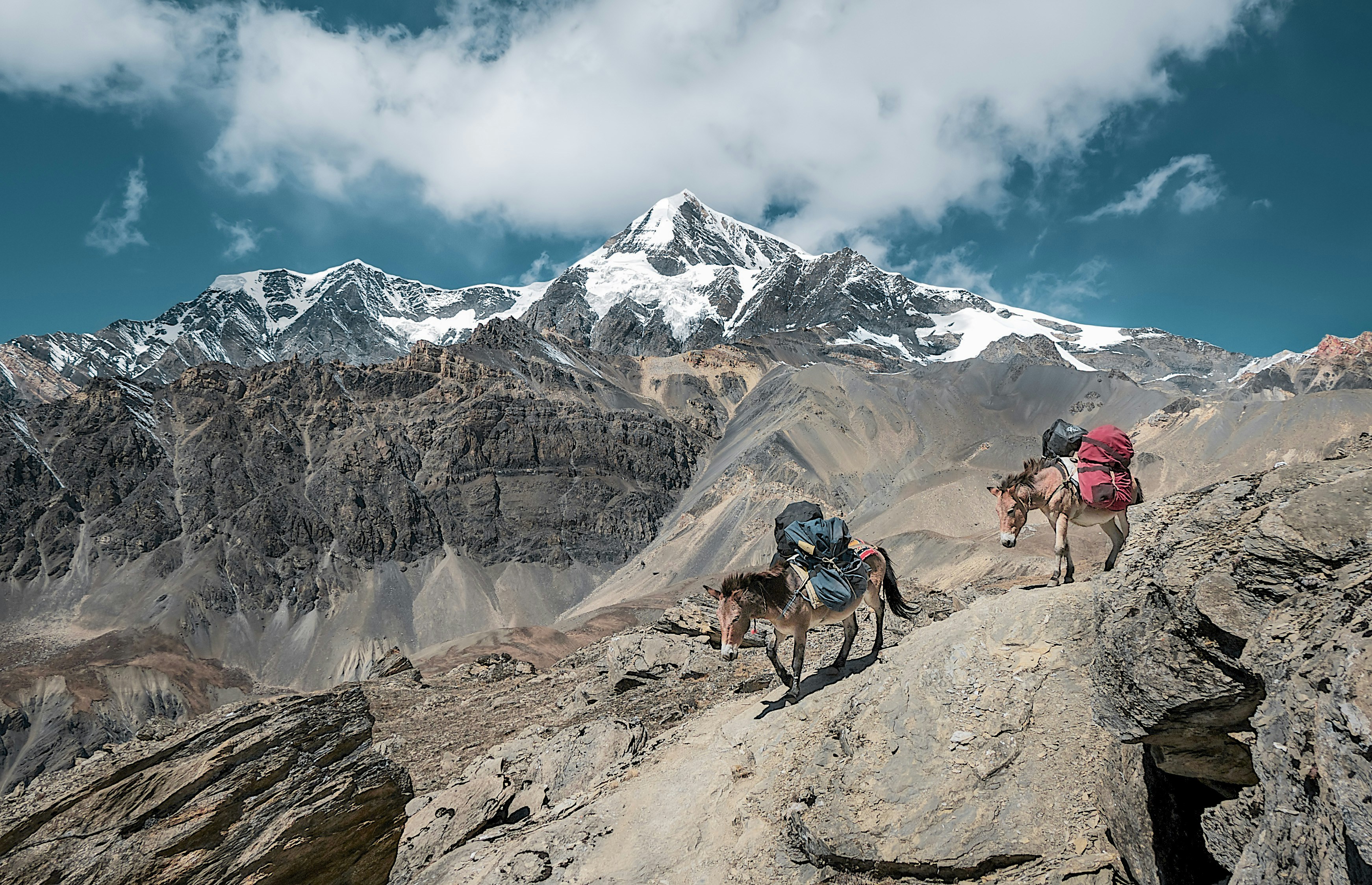
Will the Everest Trail Feel Crowded?
It depends on both the season and the route you choose.
The main trail toward Everest Base Camp receives steady traffic during the busiest spring and autumn trekking periods. That energy can be part of the experience, particularly in hubs such as Namche Bazaar.
Travelers who want more solitude should consider routes that branch away from the classic corridor. The Everest Yeti Trail, for example, travels through Thame and Kongde, where encounters with other trekkers can be much less frequent.
The right choice is not necessarily the quietest trail or the most famous one. It is the route that matches the experience you want: iconic landmarks, cultural depth, quieter walking, high-mountain challenge or a balance of all four.
.jpg)
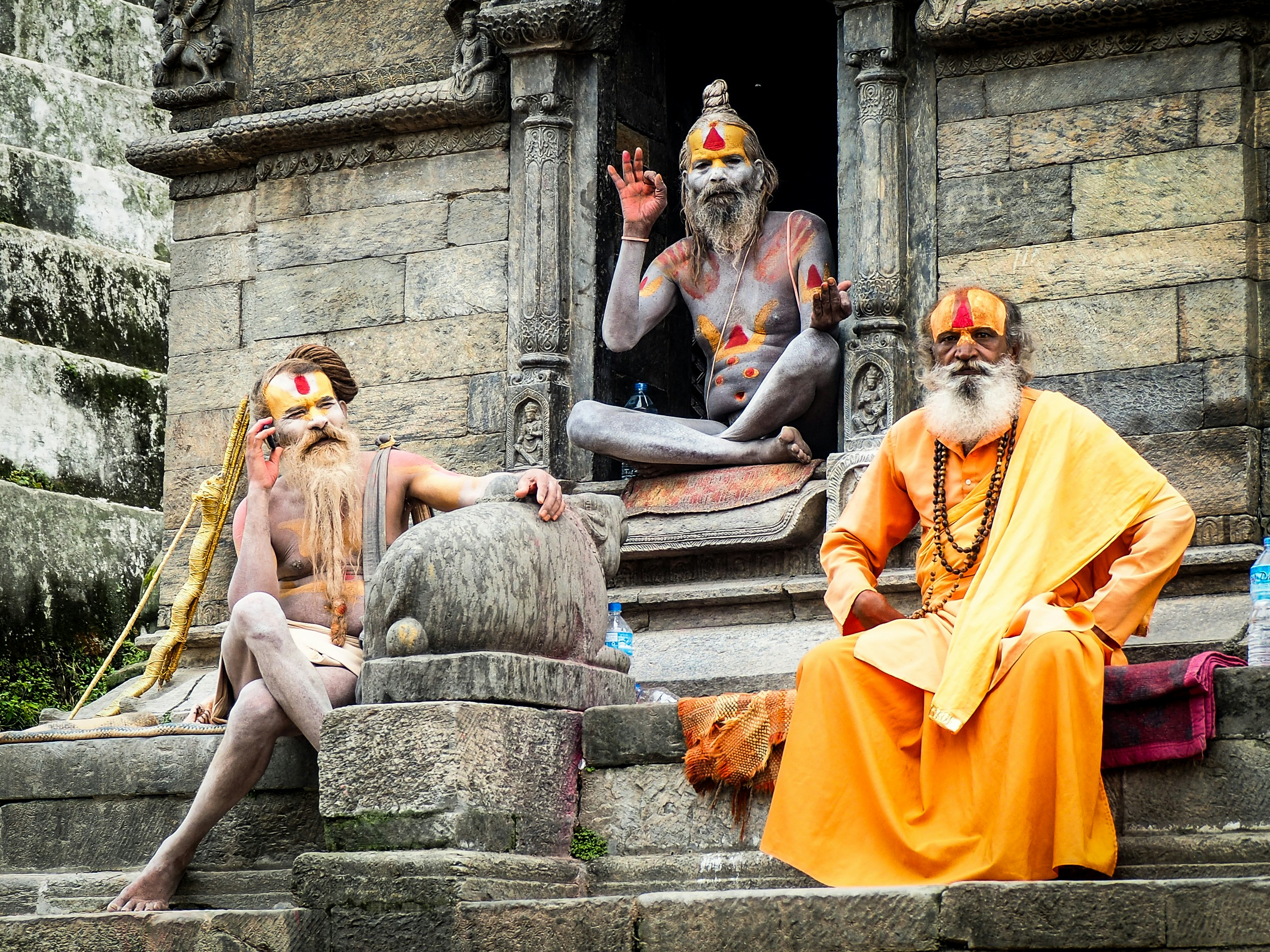
More Than Mountains: Culture, Villages and People
An Everest trek is not a journey through empty wilderness. The Khumbu is a living cultural landscape shaped by Sherpa communities over generations.
The culture
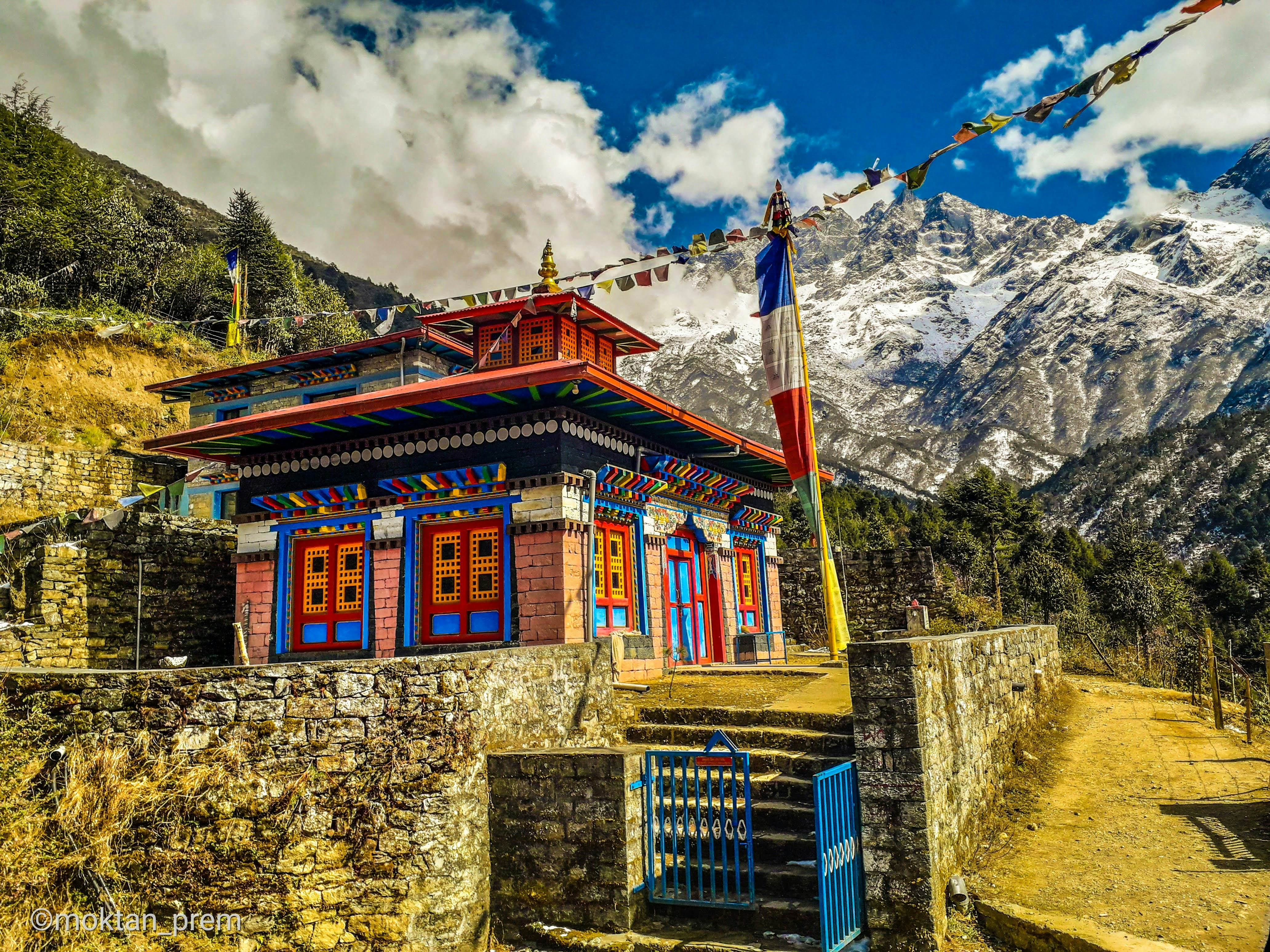
Prayer flags mark high points, mani stones line the trail and monasteries remain active places of worship. Tengboche, set above the forest with Ama Dablam rising behind it, is among the region’s best-known sacred sites. Farther from the main trail, Pangboche feels older and quieter, while Thamo Nunnery offers a more secluded encounter with Buddhist life in the Khumbu.
Walk respectfully around religious monuments, pass mani walls on the left when trail conditions allow, and ask before photographing people or ceremonies.
The villages
Namche Bazaar is where the scale and personality of the Khumbu often become real for first-time visitors. The mountainside settlement is a historic trading center and a natural acclimatization stop.
Phortse sits quietly above the valley, while Thame—away from the main Everest Base Camp route—has a stillness that is increasingly rare. These are not simply overnight stops. They are communities with histories, families and identities of their own.
The people
Sherpa communities have shaped these trails for generations. Thame is also the hometown of renowned mountaineer Ang Rita Sherpa, remembered for summiting Everest ten times without supplemental oxygen.
The most memorable moments may be conversations over tea, a guide explaining a local tradition or an unplanned pause as a yak train moves along the trail.
Acclimatization and Altitude Safety
Altitude sickness can affect anyone, regardless of age or fitness. Before traveling, discuss your itinerary and personal health history with your doctor. Preventive medication may be appropriate for some travelers, but it should only be used under medical guidance.
On the trail, pay attention to persistent headache, unusual fatigue, nausea, dizziness, loss of appetite or breathlessness that feels out of proportion to your effort. Tell your guide about symptoms early and honestly. Hiding discomfort to avoid slowing the group can turn a manageable problem into a serious one.
Drink more water than you think you need, avoid rushing and allow your body time to adjust. A good itinerary builds in gradual elevation gain and acclimatization time. Mountain Lodges of Nepal guides monitor guests closely, and oxygen is available at its lodges above 3,000 meters.
Important: This article offers general trip-planning information and is not a substitute for individualized medical advice.
.jpg)
What Are Mountain Lodges of Nepal Like?
The lodges can change how the entire trek feels.
After a long day on the trail, a hot shower, electric blanket, satisfying meal and warm dining room matter more than many travelers expect. They allow you to recover more fully and begin the next morning rested.
Each lodge has its own setting and personality. The Phakding lodge sits beside the river. The Namche lodge overlooks the Sherpa capital. Kongde, at approximately 4,250 meters, frames views of Everest, Lhotse and Ama Dablam from its windows.
What remains consistent is the feeling of being genuinely cared for: fresh towels, a warm welcome drink and someone asking whether you would like another cup of tea.
The lodges are not merely where you sleep. They are part of the journey.
What to Pack for Your First Everest Trek
Pack for changing conditions rather than one forecast. Temperatures and weather can shift quickly with elevation, cloud cover and time of day.
Bring:
- Waterproof hiking boots that are already broken in
- Moisture-wicking base layers
- A warm fleece or insulated mid-layer
- A windproof and waterproof outer shell
- Warm gloves and a close-fitting hat
- Strong, comfortable hiking socks
- Sun protection, including sunscreen, sunglasses and lip balm
- A refillable water bottle or hydration system
- A small daypack with a rain cover
- Personal medications and a compact first-aid kit
- A camera or phone with a backup battery
UV exposure is stronger at altitude than it may feel, especially on cool or cloudy days. Reapply sunscreen and protect exposed skin.
What to leave behind
Avoid packing heavy items “just in case.” Leave brand-new boots, full-size toiletries and excessive changes of clothing at home. Two pairs of trekking trousers are generally enough when combined with smart layering.
Is an Everest Trek Right for You?
You do not need to be a mountaineer to experience the Everest region, but you do need to prepare thoughtfully. The best journey will match your fitness, preferred comfort level, available time and appetite for altitude.
For some travelers, that means following the legendary trail toward Everest Base Camp. For others, it means a quieter route through Thame and Kongde, with exceptional mountain views and more time to engage with local communities.
The goal is not to choose the hardest itinerary. It is to choose the journey you will remember for the right reasons.
Plan Your Everest Trek With FlashpackerConnect
FlashpackerConnect can help you compare Everest-region routes, understand the physical demands and select an itinerary that fits the way you want to travel. From pre-trip preparation to trusted local support in Nepal, we help make a complex high-altitude journey feel manageable.
Ready to begin planning? Explore our Nepal adventures or contact our adventure specialists for a personalized recommendation.


%20copy.avif)