A Travelers Guide to Visiting the Atacama Desert
Welcome to the Atacama Desert in San Pedro de Atacama, Chile — the driest desert on the planet outside the North and South Poles, and one of the most wildly diverse landscapes in South America. Situated directly between the Andes Mountains and the Pacific Ocean, you'll find sand dunes, salt flats, geysers, volcanoes, canyons, and high-altitude lagoons. It's a nature lover's paradise and the perfect playground for adventure enthusiasts.

Here is your adventure travel guide to visiting this amazing place:
Getting There:
The Atacama Desert is located in northern Chile, about 1,000 km north of Santiago. The closest airport is Calama Airport (CJC), which is about an hour's drive from San Pedro de Atacama. You can take a taxi or arrange for a shuttle to take you to your hotel in San Pedro.
Where to Stay:
San Pedro de Atacama is a small town with plenty of accommodation options, from budget-friendly hostels to luxurious resorts. We suggest a 3-4 day tour when visiting the Atacama region to explore the best of what the region as to offer the adventurous traveler.
Top Things to Do in the Atacama Desert
Explore Valle de la Luna (Moon Valley)
The Valle de la Luna is a moon-like landscape full of intricate rocky formations, salt caves, and sand dunes — including the iconic Las Tres Marías salt statues. Hiking, mountain biking, and stargazing are great ways to explore the valley. Stay for sunset to watch the colors shift to pinks and purples across the desert landscape.
Discover Valle de Marte (Mars Valley)
The Valle de Marte — sometimes called Death Valley — is a sandy valley surrounded by rocky formations that really does feel like stepping onto another planet. NASA actually uses the Atacama Desert to test equipment designed to search for life on other planets. Located in the Salt Mountain range near San Pedro de Atacama, it's a great place to hike, mountain bike, go horseback riding, and watch a stunning desert sunset over the Andes.
Visit the Atacama Salt Flats
The Salar de Atacama is the largest salt flat in Chile and one of the driest places on Earth, stretching over 3,000 sq km. Formed from an evaporated lakebed, the flats are home to a diverse range of flora and fauna including flamingos at the Chaxa Lagoon. Make sure to bring plenty of water, sunscreen, and a hat.
See El Tatio Geysers at Sunrise
El Tatio is one of the highest geyser fields in the world, located at over 4,300 meters above sea level. Get there before sunrise for surreal views of steam rising against the cold desert air and the Andes Mountains. After the geysers, soak in the nearby thermal pools to warm up. Make sure to acclimatize before visiting due to the high altitude.
Swim in High-Altitude Lagoons
The Altiplanic lagoons — including Miscanti, Miñiques, and the Baltinache lagoons — are stunning high-altitude lakes surrounded by volcanoes, offering incredible reflections and vibrant colors. Some lagoons allow floating due to their high salt content. The Chaxa Lagoon is also a top birdwatching spot, with flamingos and Andean geese year-round.
Stargazing
The Atacama Desert has some of the clearest and darkest skies in the world, making it one of the best places on Earth for stargazing. Night sky tours operate out of San Pedro de Atacama, where you can observe stars, constellations, and planets through powerful telescopes while learning about Andean cosmovision. For the best views, choose a location far from the Pacific coastline where humidity can bring cloud cover.
Go Sandboarding
Sandboarding is a popular activity in the Atacama Desert, and there are plenty of dunes to choose from. You can rent a sandboard from one of the many tour companies in San Pedro de Atacama.
Soak in the Hot Springs
The Puritama Hot Springs consist of eight large natural pools fed by geothermal springs at the bottom of a canyon. Soak in the mineral waters and relax your mind and body after a long day of exploring. It's one of the most peaceful spots in the entire desert.
Explore on Horseback
Many tour companies offer horseback riding tours that let you explore the desert at a slower pace — a great way to see the unique flora and fauna up close.
Plan Your Trip to the Atacama Desert
Explore one of the world's most unique landscapes with curated desert adventures, expert local guides, and seamless travel planning across northern Chile.

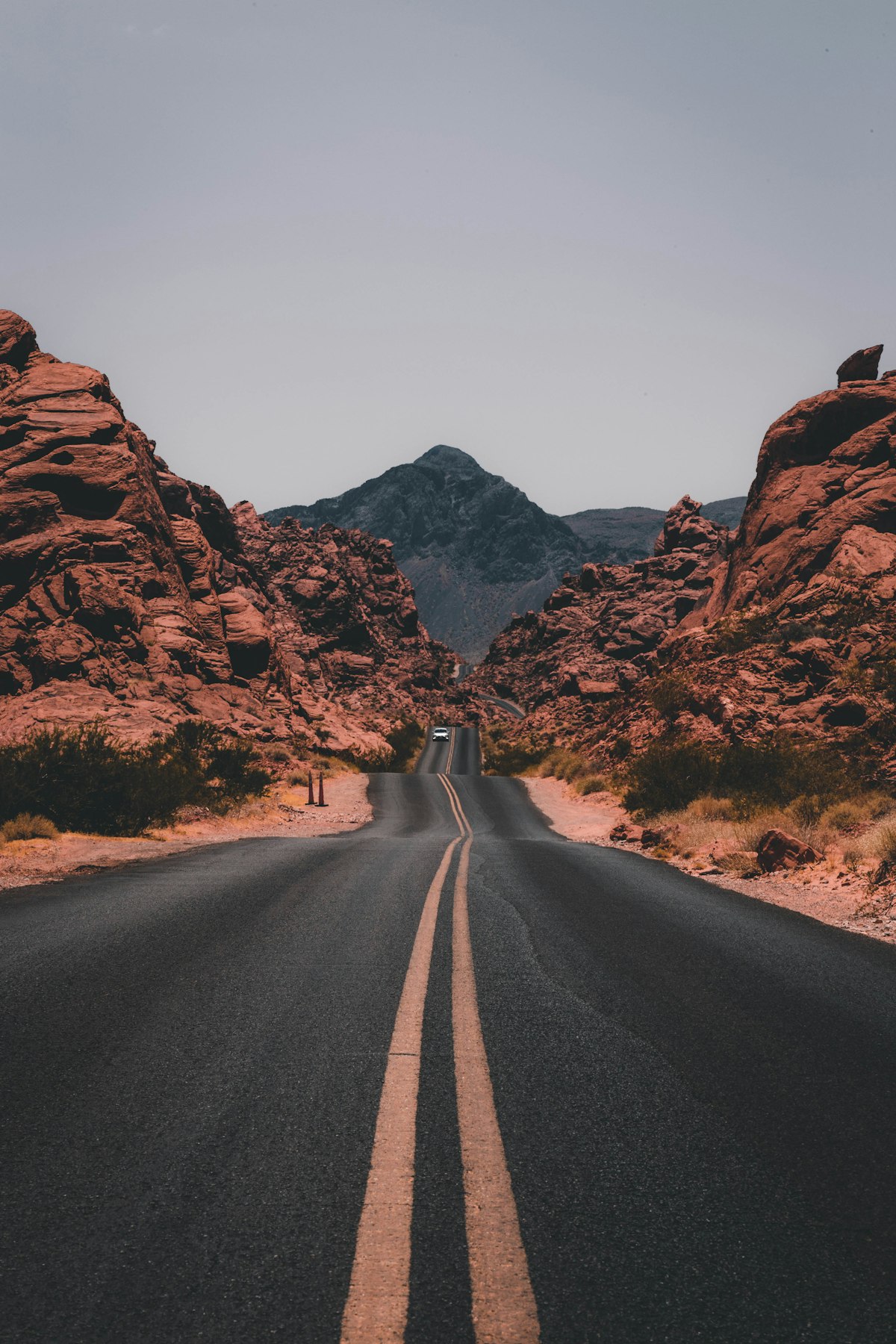

Best Time to Visit the Atacama:
The best time to visit the Atacama Desert in San Pedro de Atacama is during the shoulder seasons of spring (September-November) and fall (March-May). During these months, the weather is generally mild with comfortable temperatures during the day and cooler temperatures at night. Additionally, there are fewer tourists during these months, which means you can avoid the crowds and have a more peaceful experience.
During the summer months (December-February), the temperatures can get very hot during the day, which can make exploring the desert uncomfortable. However, if you're planning on stargazing, the summer months are the best time to visit as the skies are the clearest during this time.
During the winter months (June-August), temperatures can drop below freezing at night, which can make camping and hiking more challenging. However, the winter months are a great time to visit if you're interested in seeing the snow-capped peaks of the Andes Mountains in the distance.
The best time to visit the Atacama Desert depends on your interests and preferences. If you're looking for milder weather and fewer crowds, the shoulder seasons are your best bet. However, if stargazing or winter sports are on your agenda, you may want to consider visiting during the summer or winter months.
How many days are needed to explore the Atacama?
The ideal duration for a visit to the Atacama Desert can vary depending on your interests and the activities you want to do. However, most travelers typically spend between 3 to 5 days exploring the Atacama Desert.
During this time, you can visit the most popular attractions, such as the Valle de la Luna, El Tatio Geysers, and the Atacama Salt Flats, and also have time for some additional activities, such as hiking, stargazing, or visiting indigenous villages.
If you have more time available, you can consider extending your stay to 7-10 days, which will allow you to explore more remote areas and take part in additional activities such as multi-day hikes, horseback riding, or sandboarding.
Overall, the duration of your stay in the Atacama Desert will depend on your interests, budget, and availability. We recommend planning your itinerary in advance and booking activities and tours ahead of time to ensure you make the most of your visit.

Why is the Atacama A Popular Destination?
The Atacama Desert is popular for several reasons, including:
- Unique Landscapes: The Atacama Desert is home to some of the most unique and stunning landscapes in the world, including the Valle de la Luna (Moon Valley), Atacama Salt Flats, and El Tatio Geysers. These otherworldly landscapes are a big draw for visitors who want to experience the natural beauty of the region.
- Stargazing: The Atacama Desert is known for having some of the clearest and darkest skies in the world, making it an ideal location for stargazing. Visitors can take guided tours to observe the stars and planets, or visit one of the many observatories in the region.
- Culture and History: The Atacama Desert has a rich cultural history that spans back thousands of years. Visitors can learn about the indigenous cultures of the region, visit ancient ruins and petroglyphs, and explore the colonial architecture of San Pedro de Atacama.
- Adventure Activities: The Atacama Desert offers a range of adventure activities for visitors, including hiking, sandboarding, mountain biking, and horseback riding. The diverse terrain of the region provides endless opportunities for exploration and adventure.
- Accessibility: The Atacama Desert is relatively easy to reach, with regular flights from Santiago to Calama, which is just an hour's drive from San Pedro de Atacama. This makes it a convenient destination for travelers who want to experience the beauty and adventure of the region without having to travel too far.

What Kind of Wildlife exists in the Atacama?
The Atacama Desert is known for its unique and diverse wildlife, despite the harsh and arid conditions. Here are some of the animals you may be able to see during a visit to the Atacama:
- Vicuñas: These are wild members of the camel family and are the smallest of the South American camelids. They are found in the high Andean regions and are known for their soft and valuable wool.
- Flamingos: The Atacama Salt Flats are home to several species of flamingos, including the Andean, Chilean, and James's flamingos. These birds feed on the algae and plankton found in the salty waters of the flats.
- Vizcacha: This rodent looks like a cross between a rabbit and a chinchilla and is known for its long, bushy tail. They are found in rocky areas and are often seen perched on rocks or scampering across the desert.
- Andean fox: This small fox is found in the high Andean regions and has a thick, bushy tail and reddish-brown fur. They are scavengers and feed on small animals, insects, and plant material.
- Armadillos: The three-banded armadillo is found in the Atacama Desert and is known for its hard, protective shell. They feed on insects and small animals and are mostly active at night.
- Reptiles: The Atacama Desert is home to several species of lizards, including The Common Atacama Smooth-throated Lizard, Fabian's Lizard, and the iguana. Additionally, the region is home to several species of snakes, including the Andean cat-eyed snake and the Chilean long-tailed snake.
The wildlife in the Atacama Desert is diverse and fascinating, and visitors may be able to spot some of these unique creatures during their visit. However, it's important to remember that many of these animals are wild and should be observed from a distance to avoid disturbing their natural behaviors.

Off the Beaten Path things to do in the Atacama:
There are many off-the-beaten-path adventures to be had in the Atacama Desert, beyond the popular attractions and activities. Here are some ideas for adventurous travelers looking to explore the lesser-known areas of the region:
Laguna Verde: Located in the southern part of the Atacama Desert, Laguna Verde is a stunning saltwater lake that sits at the base of the Licancabur Volcano. Visitors can hike to the lake and take in the views of the turquoise water and surrounding mountains.
Puritama Hot Springs: Located in a hidden canyon, the Puritama Hot Springs are a series of eight natural pools fed by thermal springs. The pools are surrounded by lush vegetation and provide a relaxing and peaceful escape from the desert heat.
Rainbow Valley: This colorful valley is located near San Pedro de Atacama and is known for its vibrant red, orange, and yellow rock formations. Visitors can hike through the valley and take in the stunning views of the surrounding desert landscape.
Tatio Wetlands: This little-known area is located near the El Tatio Geysers and is home to a variety of bird species, including flamingos, ducks, and Andean geese. Visitors can take guided tours of the wetlands and observe the diverse wildlife.
Quebrada de Guatin: This narrow canyon is located near San Pedro de Atacama and is home to a variety of desert plants and wildlife, including cacti, lizards, and birds. Visitors can hike through the canyon and take in the stunning views of the desert landscape.
Visit the 7 hidden blue lagoons of Baltinache: The Baltinache lagoons are a stunning series of seven saltwater lagoons located in the Atacama Desert, near the town of San Pedro de Atacama. These hidden gems offer visitors a unique and secluded experience, unlike some of the more popular attractions in the region.
The lagoons are renowned for their scenic beauty, with their turquoise waters contrasting against the arid desert landscape and the dramatic Andes Mountains in the distance. Visitors can enjoy a day of swimming, sunbathing, and taking in the stunning views of the surrounding desert landscape. The water in the lagoons is rich in salt and minerals, which make it incredibly buoyant and relaxing to swim in.
Access to the lagoons is restricted to protect the fragile ecosystem, and visitors must book a guided tour to visit. Many local tour operators offer guided tours of the Baltinache lagoons, which typically include transportation, entrance fees, and a knowledgeable guide who can provide insights into the region's history and ecology. Overall, a visit to the Baltinache lagoons is a unique and unforgettable experience that offers a glimpse into the natural beauty and diversity of the Atacama Desert.
Overall, the Atacama Desert offers many opportunities for off-the-beaten-path adventures, and adventurous travelers are sure to find something unique and exciting to explore during their visit.

Safety Tips:
- Drink plenty of water and stay hydrated, especially in summer months.
- Wear sunscreen and a hat to protect yourself from the intense desert sun.
- Bring warm layers — temperatures drop significantly at night.
- If hiking independently, carry a map, water, and a first aid kit.
- Altitude sickness is a real risk, especially at El Tatio Geysers. Acclimatize in San Pedro for at least a day before heading to high-altitude sites.
Sample Itinerary:
4-Day Adventure in the Atacama Desert: A Journey Through Otherworldly Landscapes
Day 1: Arrival & Moon Valley Tour
- Morning: Arrive in San Pedro de Atacama. Settle in and explore the town’s vibrant local markets and artisan shops.
- Afternoon: Embark on the Moon Valley (Valle de la Luna) tour. Witness the striking landscapes and surreal rock formations that make this area resemble the surface of the moon. Stay for sunset to watch the valley’s colors shift to pinks and purples.
- Highlights: Duna Mayor viewpoint, Las Tres Marías, and salt caves.
- Tip: Make sure to pack your camera for the breathtaking sunset views.
Day 2: Atacama Salt Flats, Miscanti & Miñiques Lagoons
- Morning: Start with a visit to the Atacama Salt Flats (Salar de Atacama) and the Chaxa Lagoon, where you’ll spot pink flamingos and other rare birds set against a backdrop of volcanic peaks.
- Afternoon: Continue to the high-altitude Miscanti and Miñiques Lagoons, surrounded by the dramatic landscape of the altiplano. The deep blue waters and quiet surroundings make for a peaceful stop.
- Highlights: Birdwatching at the Chaxa Lagoon, views of Andean volcanoes, and wildlife like vicuñas and foxes.
- Tip: The altitude can get quite high, so drink lots of water and move slowly if needed.
- Night: Stargazing Tour. The Atacama Desert is one of the best places on Earth for stargazing due to its crystal-clear skies and lack of light pollution. On this guided tour, you’ll observe stars, constellations, and planets through powerful telescopes while learning about the Andean cosmovision and the mysteries of the universe.
- Tip: Bring warm clothing, as the desert can get chilly at night.
Day 3: Tatio Geysers at Sunrise
- Early Morning (Pre-Dawn): Set out for the Tatio Geysers, arriving in time to see the steam rising against the cold desert air at sunrise. The contrast of hot steam in the icy morning creates a dramatic landscape.
- Mid-Morning: Enjoy a light breakfast by the geysers and, if you wish, soak in the nearby thermal springs to warm up.
- Afternoon: On the way back to San Pedro, visit the quaint village of Machuca, known for its traditional adobe houses and local delicacies like llama empanadas.
- Tip: Bundle up! Early mornings here can drop below freezing.
Day 4: Adios Atacama
- Morning: Spend your final hours in San Pedro de Atacama exploring more of the town’s local attractions or relax at a café. If time permits, visit the Meteorite Museum for an interesting look at the region’s celestial history.
- Afternoon: Transfer to the airport for your departure, bidding farewell to the magical landscapes of the Atacama Desert.
This updated itinerary not only captures the beauty of Atacama’s landscapes but also immerses travelers in one of the world’s most incredible stargazing experiences, making for an unforgettable adventure!
Check out our Best of the Atacama Desert - 4 Day tour or the Salta, Atacama Desert & Uyuni Salt Flats 9 Days Tour. Or contact our travel specialists to design a custom trip to the Atacama.
Frequently Asked Questions
What is the Atacama Desert?
The Atacama Desert in northern Chile is the driest desert in the world and one of the most unique landscapes in South America. Located between the Andes Mountains and the Pacific Ocean, it is known for its salt flats, geysers, high-altitude lagoons, and Mars-like terrain.
Where is the Atacama Desert located?
The Atacama Desert is located in northern Chile. It stretches along the Pacific coast and is easily accessed from the town of San Pedro de Atacama, the main base for exploring the region.
What is the best time to visit the Atacama Desert?
The Atacama Desert can be visited year-round, but the best months are March to May and September to November for comfortable temperatures and fewer crowds.
How many days do you need in the Atacama Desert?
Most travelers spend 3 to 5 days in the Atacama Desert to experience the region's highlights, including Valle de la Luna, geysers, salt flats, lagoons, and stargazing.
Is the Atacama Desert worth visiting?
Yes — the Atacama Desert is one of the most unique landscapes in the world, known for its dramatic scenery, high-altitude lagoons, and some of the best stargazing on the planet.
Do you need to worry about altitude in the Atacama Desert?
Yes — many parts of the Atacama Desert are at high elevation. It's important to acclimatize gradually, stay hydrated, and take it easy on your first day.
Can you combine the Atacama Desert with Patagonia?
Yes — many travelers combine Atacama with Patagonia for a diverse Chile itinerary that includes both desert landscapes and alpine scenery. Flashpacker Connect offers custom itineraries combining both regions.
Is the Atacama Desert safe to visit?
Yes — the Atacama Desert is generally very safe for travelers. Most activities are done with guides, and the main town of San Pedro de Atacama is well set up for tourism.
Where should you stay in the Atacama Desert?
Most travelers stay in San Pedro de Atacama, the main hub for tours, accommodations, and access to the region's top attractions.